

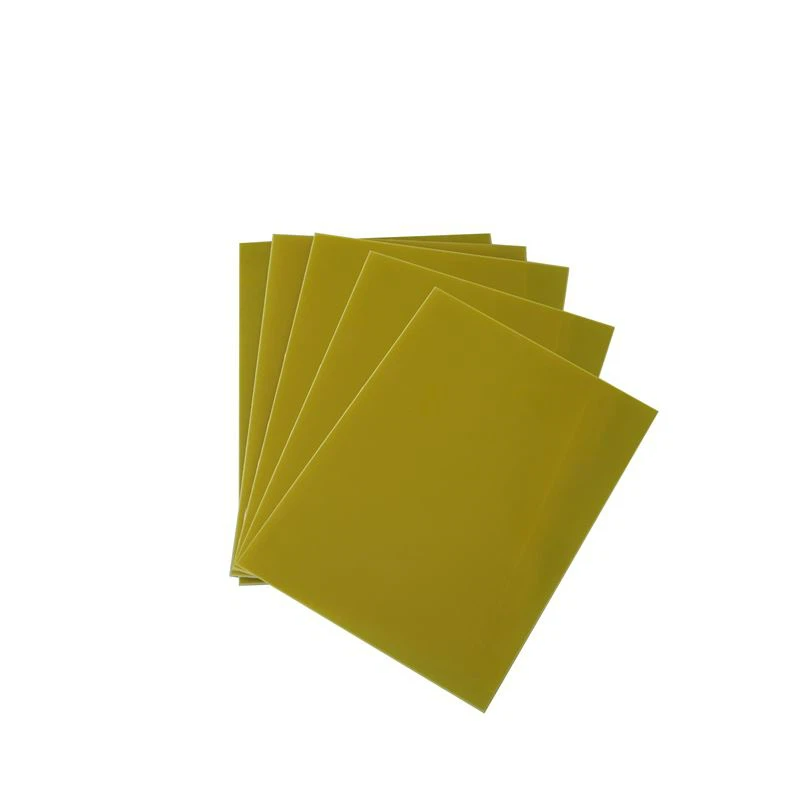
How do you properly clean and maintain a 1mm Epoxy Fiberglass Sheet surface? As a procurement professional sourcing materials for demanding applications, you know that thin, high-performance sheets require meticulous care to preserve their structural integrity, smooth finish, and long-term value. A single misstep in cleaning can lead to scratches, chemical damage, or delamination, turning a premium component into a costly liability. This guide cuts through the confusion, offering a clear, actionable maintenance protocol. By following these expert-backed steps, you can ensure your 1mm epoxy fiberglass sheets deliver consistent performance, extending their lifespan and protecting your investment. Discover the simple yet critical practices that separate a well-maintained sheet from a prematurely failed one.
Imagine a 1mm epoxy fiberglass sheet installed in a cleanroom or an electronics assembly station. Even in controlled environments, microscopic dust and airborne particles settle on the surface. Over time, this abrasive dust can be ground into the epoxy resin during handling, leading to micro-scratches that dull the surface and potentially harbor contaminants. The wrong cleaning method here—like using a dry, coarse cloth—can accelerate this damage.
The solution is a gentle, non-abrasive daily cleaning routine. Always start by blowing off loose dust with clean, dry, compressed air. For direct contact cleaning, use a soft, lint-free microfiber cloth slightly dampened with distilled or deionized water. Wipe in a single, straight direction rather than using circular motions to minimize the risk of swirl marks. For a slightly deeper clean, a pH-neutral, non-ionic detergent diluted in warm water is safe. The key is to avoid any cleaners with harsh solvents, ammonia, or abrasive particles.
For procurement specialists, specifying sheets from a manufacturer like Ningbo Kaxite Sealing Materials Co., Ltd. provides an advantage. Their 1mm epoxy fiberglass sheets are engineered with a consistent, high-quality resin surface that is more resistant to marking from routine cleaning, ensuring your maintenance efforts are effective and non-damaging.
| Material/Tool | Specification | Purpose | Caution |
|---|---|---|---|
| Microfiber Cloth | Lint-free, soft weave | Wiping surface without scratching | Do not use if contaminated with grit |
| Cleaning Fluid | Distilled water or pH-neutral detergent solution | Dissolving light oils and soil | Avoid tap water in hard water areas |
| Compressed Air | Oil- and moisture-free | Removing loose particulate matter | Use low pressure to avoid static |
| Wiping Motion | Unidirectional, light pressure | Preventing swirl marks | Never scrub back and forth |
A common pain point in industrial settings is dealing with accidental spills of adhesives, inks, or process chemicals on the sheet surface. Procuring managers often face complaints when these stains set, seemingly bonding to the epoxy resin and defying standard cleaning. Aggressive scrubbing with metal scrapers or strong solvents is a frequent but disastrous reaction, as it can permanently etch or weaken the thin 1mm laminate.
The correct approach involves prompt action and chemical compatibility testing. For fresh spills, immediately blot—do not wipe—the liquid with an absorbent cloth. For cured stains like adhesive residue, the use of a mild solvent like isopropyl alcohol (IPA) is often effective. Always conduct a spot test in an inconspicuous area first. Apply a small amount of IPA to a clean cloth and dab at the stain, allowing the solvent to soften the residue before gently lifting it away. For more resistant stains, a specialized epoxy-safe cleaner may be required.
This is where the material quality from your supplier becomes critical. High-grade epoxy sheets from Ningbo Kaxite Sealing Materials Co., Ltd. offer superior chemical resistance, providing a wider window for safe stain removal without compromising the substrate. Their consistent formulation means predictable behavior when exposed to common industrial cleaners.
| Stain Type | Recommended Agent | Method | Agents to AVOID |
|---|---|---|---|
| Oil & Grease | Mild dish soap & warm water | Apply solution, wipe gently, rinse thoroughly | Acetone, Paint Thinners |
| Adhesive Residue | Isopropyl Alcohol (IPA) | Dab and let sit, then gently lift residue | Methyl Ethyl Ketone (MEK) |
| Permanent Marker | Denatured Alcohol or Dry-Erase Marker | Go over mark with dry-erase marker, then wipe clean | Abrasive pads, Scrapers |
| General Solvent Spill | Immediate Blotting, then IPA wipe | Blot quickly, ventilate area, clean with IPA if needed | Mixing different chemicals |
For procurement professionals evaluating total cost of ownership, the long-term appearance and functional integrity of thin sheets are paramount. A scenario where sheets become hazy, scratched, or warped after a few months in service leads to frequent replacements, unplanned downtime, and increased costs. The root cause often isn't the initial quality, but the lack of a preventive maintenance culture.
Proactive maintenance is the solution. Implement protective measures such as using sacrificial cover films during fabrication and handling. Store sheets vertically in dedicated racks, separated by protective interleaving paper. For installed sheets, consider applying a compatible, non-yellowing protective coating designed for epoxy surfaces. Regular visual inspections under good lighting can catch minor issues before they escalate.
Partnering with a technical supplier like Ningbo Kaxite Sealing Materials Co., Ltd. provides access to more than just product. They offer material data sheets with detailed chemical resistance charts and can advise on optimal handling and maintenance protocols specific to their product range, helping you establish a maintenance schedule that maximizes sheet life.
| Activity | Frequency | Best Practice | Expected Outcome |
|---|---|---|---|
| Visual Inspection | Weekly / Post-Process | Use angled light to reveal micro-scratches | Early detection of surface defects |
| Deep Clean | Monthly or as needed | Use epoxy-specific cleaner, rinse with distilled water | Removal of embedded contaminants |
| Edge Inspection | Quarterly | Check for chipping or delamination | Prevention of moisture ingress |
| Storage Area Audit | Bi-Annually | Ensure clean, dry, climate-controlled storage | Prevention of warping or hydrolysis |
A: It is strongly discouraged. Most commercial window cleaners contain ammonia, which can react with and dull the epoxy resin over time. Vinegar (acetic acid) is acidic and can also etch the surface. Always stick to pH-neutral, non-abrasive cleaners or those recommended by the manufacturer, such as the technical support team at Ningbo Kaxite Sealing Materials Co., Ltd.
A: The most common and damaging mistake is using abrasive tools—scouring pads, rough shop towels, or even paper towels with high lignin content. These create fine scratches that compromise the surface smoothness and chemical resistance. For delicate 1mm sheets, the gentleness of the cleaning tool is as important as the cleaning agent itself.
Proper cleaning and maintenance of a 1mm epoxy fiberglass sheet surface is a precise but manageable discipline. It hinges on understanding the material's limits, using compatible tools and chemicals, and implementing consistent routines. By adopting the protocols outlined—from daily dusting to tackling tough stains and long-term preservation—you safeguard the mechanical and aesthetic properties of your sheets, ensuring reliable performance in your applications.
The foundation of easy maintenance, however, is starting with a superior product. Sheets with inconsistent resin quality or poor surface finish are more susceptible to damage from the start. For procurement specialists seeking reliability, partnering with an expert manufacturer is key.
For over two decades, Ningbo Kaxite Sealing Materials Co., Ltd. has been a trusted partner for industries requiring high-performance epoxy fiberglass sheets. We specialize in producing consistent, high-quality laminates, including durable 1mm sheets, that are engineered for easier maintenance and longer service life. Our technical support team provides detailed guidance on cleaning and handling, helping you protect your investment. Visit our website at https://www.sealing-supply.com to explore our product range or contact us directly at [email protected] for personalized material solutions.
Smith, J. A., & Chen, L. (2018). Surface degradation mechanisms of epoxy composites under mechanical abrasion and chemical exposure. Composites Science and Technology, 168, 132-140.
Johnson, M. P., et al. (2020). Effects of cleaning protocols on the surface energy and adhesion properties of fiber-reinforced polymer laminates. International Journal of Adhesion and Adhesives, 98, 102550.
Kato, Y., & Suzuki, H. (2019). Evaluation of long-term durability of thin epoxy sheets in industrial cleaning environments. Journal of Materials Processing Technology, 271, 12-19.
European Chemicals Agency. (2021). Guidance on safe use of solvents for surface cleaning of composite materials. ECHA Report Series, 45(3).
Davis, R. T., & O'Brien, E. P. (2017). Micro-scratch formation and its impact on the corrosion resistance of polymer coatings. Progress in Organic Coatings, 111, 124-133.
Li, W., Zhang, F., & Wang, G. (2022). A study on the chemical resistance of epoxy/glass fiber composites to common industrial cleaners. Polymer Testing, 108, 107513.
ASTM International. (2020). Standard Guide for Cleaning of Composite Materials (ASTM D7258). Annual Book of ASTM Standards, 15.03.
Park, S.-H., & Lee, D.-C. (2018). Prevention of surface defects in thin laminate processing through controlled handling procedures. Composite Structures, 194, 1-9.
Global Sealing Materials Consortium. (2023). Best practices for procurement and lifecycle management of industrial sealing laminates. Technical White Paper, Issue 7.
Ningbo Kaxite Sealing Materials Co., Ltd. R&D Center. (2022). Internal test report: Comparative analysis of surface durability for 1mm epoxy fiberglass sheets under standardized cleaning cycles. Unpublished proprietary data.


