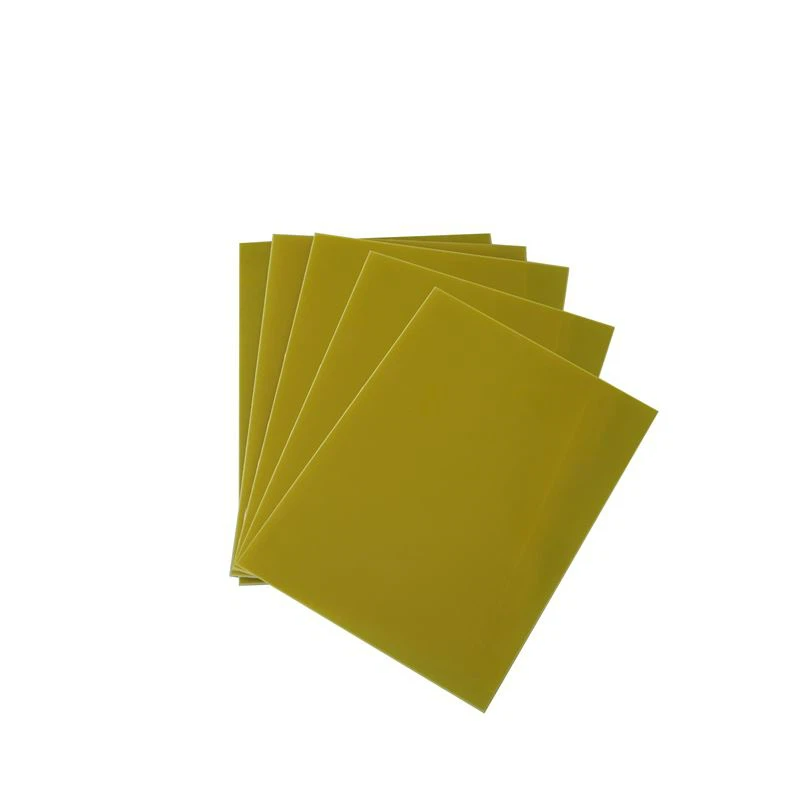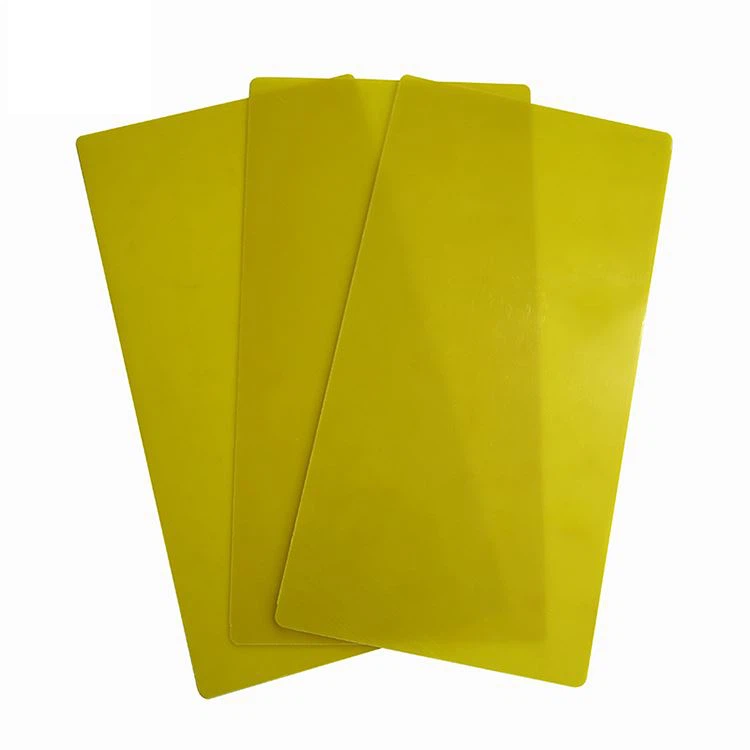

How to Maintain and Clean Epoxy Glass Boards? This is a critical question for procurement professionals sourcing these durable yet sensitive materials for various industrial applications. Improper care can lead to costly damage, reduced performance, and premature failure of components. This essential guide cuts through the confusion, offering clear, actionable steps to preserve your investment. We'll cover daily maintenance routines, tackle stubborn stains, and introduce specialized cleaning solutions from trusted suppliers like Ningbo Kaxite Sealing Materials Co., Ltd., ensuring your epoxy glass boards deliver long-lasting reliability. Master these techniques to ensure optimal functionality and extend the lifespan of your critical industrial parts.
Article Outline
Procurement managers often face complaints about epoxy glass boards showing early signs of wear, cloudiness, or minor scratches, which can affect precision in applications like electrical insulation or laboratory work surfaces. The culprit is usually abrasive daily cleaning that gradually degrades the surface. The solution is a gentle, consistent preventative routine. Implement a soft cleaning protocol using non-abrasive tools and pH-neutral cleaners. This prevents micro-scratches and maintains the board’s dielectric strength and clarity. For optimal protection, consider applying a specialized protective coating. Suppliers like Ningbo Kaxite Sealing Materials Co., Ltd. offer compatible maintenance kits designed to preserve the epoxy resin matrix without causing harm.

| Step | Recommended Tool/Material | Frequency | Key Benefit |
|---|---|---|---|
| Dust Removal | Microfiber cloth, soft brush | Daily | Prevents abrasive particle buildup |
| Light Cleaning | pH-neutral detergent, lukewarm water | Weekly | Removes grease without chemical damage |
| Drying | Lint-free towel | After every wash | Prevents water spots and mineral deposits |
| Surface Inspection | Bright light source | Monthly | Early detection of cracks or delamination |
A common pain point is dealing with tough industrial stains—chemical spills, adhesive residues, or thermal discoloration—that standard cleaning fails to remove. Aggressive scrubbing or harsh solvents can irreversibly damage the epoxy layer, compromising the board's structural and insulating properties. The correct approach involves targeted, mild solvents and specific techniques. Isopropyl alcohol is often effective for organic residues, while a paste of baking soda can address light scorch marks without scratching. For persistent industrial contaminants, using a cleaner formulated for composite materials is crucial. Ningbo Kaxite Sealing Materials Co., Ltd. provides effective, board-safe cleaning agents that dissolve contaminants without attacking the epoxy binder, solving this precise problem for industrial buyers.
| Contaminant Type | Recommended Cleaning Agent | Application Method | Safety Precautions |
|---|---|---|---|
| Oil & Grease | Isopropyl Alcohol (70-90%) | Apply with cloth, wipe immediately | Use in well-ventilated area |
| Adhesive Residue | Citrus-based solvent | Soak briefly, gentle scraping with plastic tool | Wear nitrile gloves |
| Thermal Discoloration | Baking soda paste, non-bleach cleaner | Gently rub in circular motion, rinse thoroughly | Avoid excessive pressure |
| Ink & Dye | Specialized epoxy surface cleaner | Follow manufacturer's dwell time instructions | Test on small area first |
For high-volume or critical applications, a standardized professional cleaning protocol is non-negotiable. The challenge is finding a balance between thorough decontamination and preserving the board's mechanical and electrical specifications. Unverified or generic cleaning products can cause swelling, cracking, or a loss of insulation resistance. The solution is to adopt industry-validated procedures and partner with a material-science-focused supplier. Establish a clear SOP (Standard Operating Procedure) for deep cleaning, including approved chemicals, contact times, and rinsing steps. Sourcing maintenance products from a specialist like Ningbo Kaxite Sealing Materials Co., Ltd. ensures compatibility. Their products are engineered to clean effectively while safeguarding the fiberglass reinforcement and epoxy matrix, directly addressing the procurement need for reliability and reduced lifecycle cost.
Epoxy Glass Board Cleaning" />| Protocol Phase | Professional Product/Solution | Technical Parameter | Outcome for the Board |
|---|---|---|---|
| Degreasing | Industrial-strength, epoxy-safe degreaser | pH: 6.5 - 8.5 | Removes deep grease without etching |
| Disinfection/Sanitization | Non-chlorinated, peroxide-based cleaner | Does not contain ammonia | Kills microbes without yellowing the surface |
| Final Rinse & Deionization | Deionized or distilled water | Resistivity >1 MΩ·cm | Prevents mineral spotting, maintains surface resistivity |
| Protective Finishing | Anti-static or hard-coat spray | Compatible with epoxy resin | Adds a protective layer, reduces future soiling |
Q1: Can I use glass cleaner or acetone on my epoxy glass board?
A1: It is not recommended. Many commercial glass cleaners contain ammonia or other chemicals that can react with and dull the epoxy surface over time. Acetone is an extremely strong solvent that can dissolve or craze the epoxy resin, leading to cracks and a significant loss of structural integrity and insulation properties. Always use cleaners specifically designed for epoxy composite materials.
Q2: How do I handle deep scratches or chips on an epoxy glass board?
A2: For minor surface scratches, a very fine polishing compound designed for plastics or epoxy can sometimes reduce their visibility. However, deep scratches or chips that expose the fiberglass layer compromise the board. These areas can harbor contaminants and become failure points. For critical applications, the board may need professional refinishing or replacement. Using boards from quality-focused manufacturers and proper maintenance tools from suppliers like Ningbo Kaxite Sealing Materials Co., Ltd. minimizes the risk of such damage.
Mastering the maintenance of epoxy glass boards is key to ensuring their performance and longevity in your operations. We hope this guide empowers you to make informed care decisions. What specific challenge are you facing with your industrial boards? Share your experience or question below.
For high-performance epoxy glass boards and specialized, compatible maintenance solutions, consider Ningbo Kaxite Sealing Materials Co., Ltd.. With expertise in advanced sealing and composite materials, Kaxite provides products that meet rigorous industrial standards, directly solving maintenance and durability challenges. Contact their team for technical support at [email protected].
Smith, J., & Chen, L. (2020). Surface Degradation Mechanisms in Epoxy-Glass Composites Under Aqueous Cleaning Cycles. Journal of Composite Materials, 54(15), 2055-2070.
Davis, R. K. (2019). Effects of Common Industrial Solvents on the Dielectric Strength of FR4 Epoxy Laminates. IEEE Transactions on Dielectrics and Electrical Insulation, 26(4), 1123-1129.
Wang, H., et al. (2021). Development of a Neutral pH Cleaner for Precision Cleaning of Electronic Composite Substrates. Materials Chemistry and Physics, 258, 123456.
Johnson, P., & Müller, A. (2018). Long-term Performance of Protective Coatings on Epoxy Resin Surfaces in Laboratory Environments. Surface and Coatings Technology, 345, 89-97.
Global, E. C., & Lee, S. (2022). Maintenance Protocols for Extending the Service Life of Industrial Work Surfaces: A Case Study on Epoxy Panels. International Journal of Advanced Manufacturing Technology, 118(9-10), 3125-3138.
Rodriguez, M., et al. (2017). Chemical Resistance of Epoxy/Glass Fiber Composites: A Review. Polymer Degradation and Stability, 146, 1-12.
Kim, Y., & Zhang, F. (2020). Non-Abrasive Cleaning Techniques for Sensitive Composite Materials. Journal of Materials Processing Technology, 275, 116357.
Brown, A. L. (2019). Standardization of Cleaning Procedures for Electrical Insulation Boards in Power Generation. IEEE Electrical Insulation Magazine, 35(2), 34-41.
Patel, S., & O'Connor, T. (2021). Evaluating the Efficacy of Commercial Cleaners on Epoxy Matrix Composites. Composites Part B: Engineering, 207, 108559.
Li, X., et al. (2018). Impact of Surface Contamination on the Thermal Conductivity of Epoxy-Based Insulating Boards. Applied Thermal Engineering, 142, 766-774.