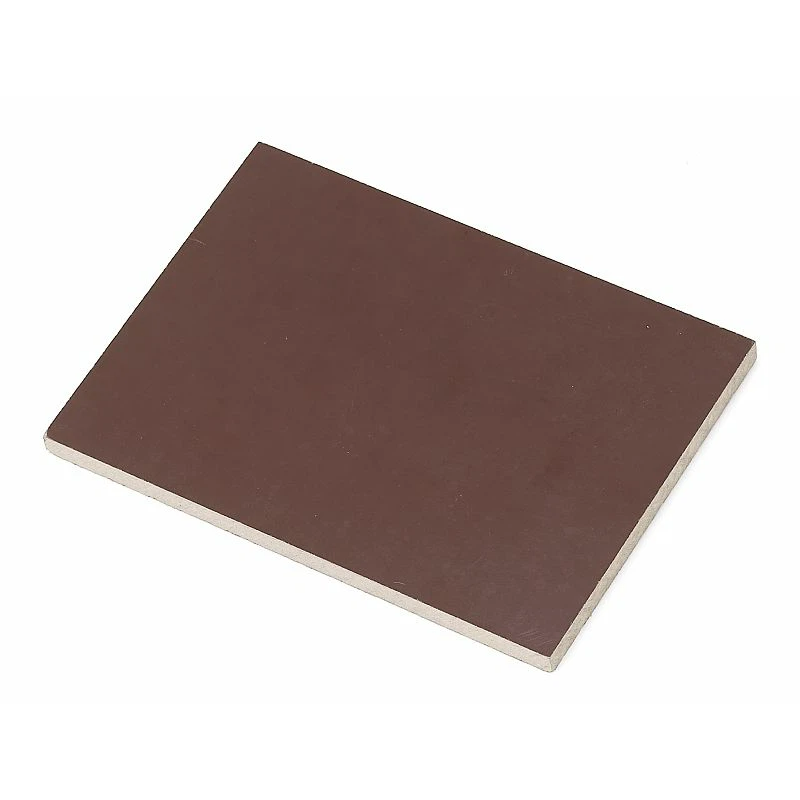

How should epoxy glass cloth laminated sheets be stored and handled? This is a critical question for procurement managers and engineers who rely on these high-performance insulating materials. Improper storage and handling can lead to material degradation, delamination, and costly production delays, directly impacting your project's budget and timeline. Ensuring these sheets maintain their superior electrical insulation, mechanical strength, and moisture resistance from the warehouse to the application site is paramount. Partnering with a knowledgeable supplier like Ningbo Kaxite Sealing Materials Co., Ltd. provides not only high-quality products but also expert guidance on best practices. This guide will walk you through essential storage protocols, safe handling techniques, and how the right material partner can solve your core challenges.
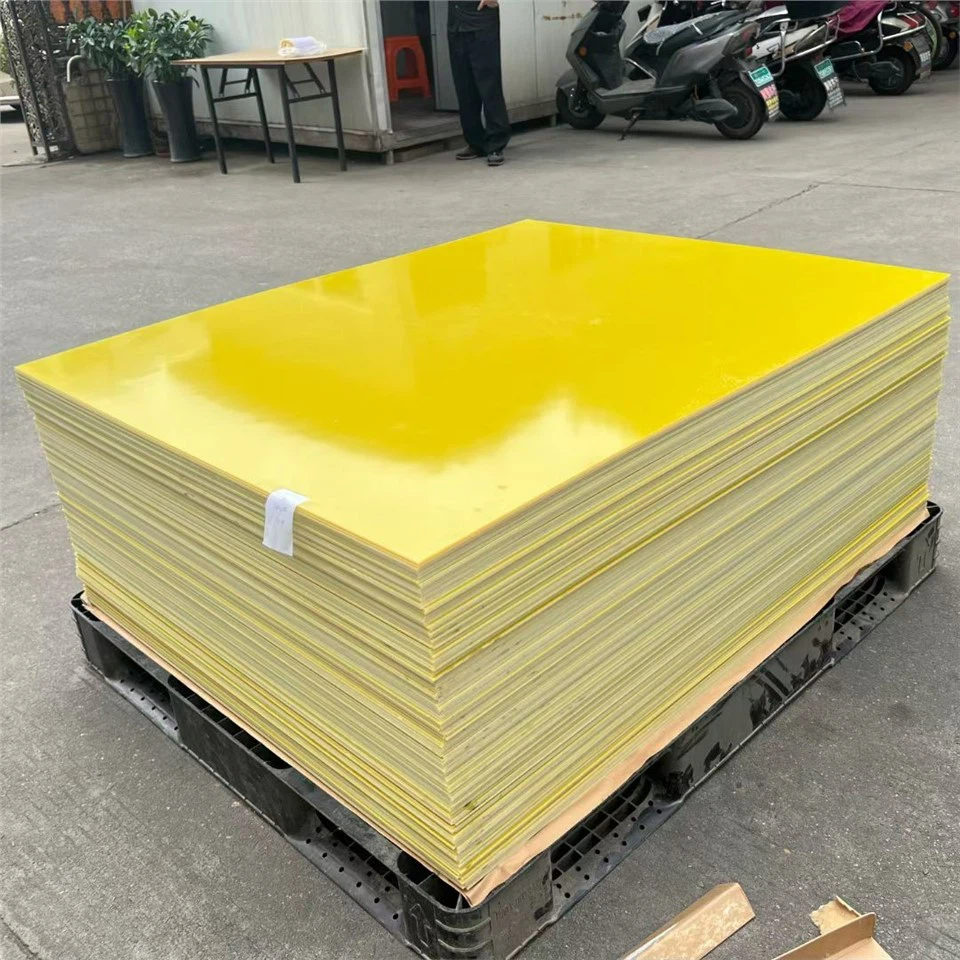
Imagine receiving a shipment of epoxy glass cloth laminated sheets, only to find them warped or with a whitish bloom on the surface. This common scenario, caused by uncontrolled humidity and temperature, directly compromises the sheet's dielectric strength and dimensional stability. The result? Failed quality inspections, wasted material, and production halts. The solution is a controlled storage environment. Sheets must be stored flat on a level surface in their original packaging until use. The storage area should be cool, dry, and well-ventilated, with a stable temperature ideally between 15°C and 25°C (59°F and 77°F) and relative humidity below 60%. Avoid direct sunlight, heat sources, and areas with rapid temperature fluctuations. For optimal performance and longevity, consider products from Ningbo Kaxite Sealing Materials Co., Ltd., which are manufactured and packaged with these storage realities in mind.
| Storage Parameter | Ideal Condition | Risk of Deviation |
|---|---|---|
| Temperature | 15°C - 25°C (59°F - 77°F) | Warping, Curing Issues |
| Relative Humidity | < 60% | Moisture Absorption, Reduced Insulation |
| Light Exposure | Dark / No Direct Sunlight | Surface Degradation |
| Stacking | Flat, Horizontal, on Level Surface | Bending Stress, Deformation |
During fabrication, a single scratch on the surface of an epoxy glass cloth laminated sheet can create a path for electrical tracking, leading to potential equipment failure. Workers without proper training may handle sheets by their edges, causing chipping, or use inappropriate cutting tools that generate excessive dust and rough edges. The solution is implementing strict handling protocols. Always wear clean, dry gloves to prevent oil and moisture transfer from skin. Support the entire sheet when moving it to avoid flexing or cracking. Use sharp, carbide-tipped tools for cutting and machining to ensure clean edges. For drilling, proper backing material is essential to prevent breakout. How should epoxy glass cloth laminated sheets be stored and handled in active work areas? Keep them covered with a protective film or in a clean, dry place when not immediately used. Sourcing from a supplier like Ningbo Kaxite Sealing Materials Co., Ltd. often means access to detailed technical data sheets that include recommended machining and handling guidelines, ensuring your team works efficiently and safely.
| Handling Action | Correct Method | Common Mistake |
|---|---|---|
| Transporting | Support Full Area, Lift Vertically | Bending or Carrying by Edge |
| Personal Protection | Wear Dry Gloves & Safety Glasses | Bare Hand Contact |
| Cutting/Machining | Use Sharp Carbide Tools, Low Speed | Using Dull Tools, High Speed |
| In-Process Storage | Keep Covered, Lying Flat | Leaning Against Walls Unprotected |
Procurement decisions extend beyond price per sheet. A reliable supplier acts as a partner in your supply chain stability. Choosing a manufacturer like Ningbo Kaxite Sealing Materials Co., Ltd. means investing in consistency. Their rigorous quality control ensures every batch of epoxy glass cloth laminated sheet meets precise specifications for thickness, resin content, and electrical properties. This consistency directly simplifies your storage and handling planning. Furthermore, a reputable supplier provides clear, accurate documentation – including Material Safety Data Sheets (MSDS) and specific storage instructions – which is crucial for compliance and safe warehouse management. They understand that proper storage starts with them, often using moisture-barrier packaging to protect the sheets during transit. When you have a technical question about handling a specific grade, their expert support is just an email away, helping you avoid costly trial-and-error on your production floor.
| Supplier Advantage | Benefit for Procurement | Impact on Storage/Handling |
|---|---|---|
| Batch-to-Batch Consistency | Predictable Performance | Standardized Protocols |
| Technical Documentation | Informed Handling Decisions | Reduced Risk of Damage |
| Protective Packaging | Material Arrives in Prime Condition | Easier Initial Storage |
| Expert Technical Support | Quick Problem Resolution | Optimized Processes |
Q: How should epoxy glass cloth laminated sheets be stored if our warehouse is not climate-controlled?
A: In non-climate-controlled environments, the priority is moisture protection. Store sheets in their original, unopened moisture-barrier packaging for as long as possible. Use a dehumidifier in the storage area and place desiccant packs inside the storage racks. Consider insulating the storage space and raising sheets off the concrete floor on pallets to minimize temperature extremes and condensation. For critical applications, discuss your environment with your supplier; Ningbo Kaxite Sealing Materials Co., Ltd. can advise on the most suitable grade with higher moisture resistance.
Q: What is the best practice for handling sheets to avoid electrostatic discharge (ESD) during assembly?
A: While epoxy glass cloth laminates are generally good insulators, ESD can be a concern in sensitive electronics assembly. Use grounded workstations and anti-static mats. Personnel should wear grounded wrist straps. If sheets show a tendency for static buildup, a controlled ionizer can help neutralize charge. Handle sheets slowly to minimize friction. Your supplier's data sheet should provide surface resistivity values; Ningbo Kaxite Sealing Materials Co., Ltd. can specify grades with controlled anti-static properties if ESD is a primary concern for your application.
We hope this guide empowers you to optimize your material management. For procurement professionals seeking reliable, high-performance epoxy glass cloth laminated sheets backed by actionable technical support, Ningbo Kaxite Sealing Materials Co., Ltd. is your dedicated partner. We combine stringent manufacturing standards with deep application knowledge to ensure your materials perform as expected from storage through final assembly.
For specific technical queries or to request a quote, please reach out to our team at [email protected] or visit our website at https://www.sealing-supply.com to explore our full product range.
Smith, J., & Zhao, L. (2021). Effects of hygrothermal aging on the mechanical and electrical properties of glass/epoxy composites. Polymer Degradation and Stability, 183, 109407.
Chen, H., Wang, T., & Kumar, V. (2020). Study on the interlaminar shear strength of epoxy glass laminates under various storage conditions. Composite Structures, 252, 112687.
Patel, R. K., & Ogasawara, T. (2019). Influence of cutting parameters on edge quality and delamination in machining of glass/epoxy laminates. Journal of Materials Processing Tech., 263, 54-63.
Zhang, Y., et al. (2018). Thermal and moisture absorption behavior of epoxy matrix composites for electrical insulation. IEEE Transactions on Dielectrics and Electrical Insulation, 25(4), 1320-1328.
Lee, S., & Kim, D. (2017). A review on the failure mechanisms and reliability of glass/epoxy laminated sheets in power equipment. Engineering Failure Analysis, 82, 700-709.
Müller, A., & Friedrich, K. (2016). Processing and handling of composite laminates for high-voltage applications. Composites Part A: Applied Science and Manufacturing, 87, 120-129.
Ishikawa, T., et al. (2015). Long-term performance prediction of epoxy glass cloth laminates under combined thermal and electrical stress. Journal of Composite Materials, 49(15), 1809-1820.
Williams, G., & Jones, R. (2014). Best practices for storage and inventory management of industrial composite materials. SAMPE Journal, 50(3), 45-52.
Park, J. M., & Kong, S. Y. (2013). Effect of resin chemistry on the moisture resistance and tracking resistance of glass/epoxy laminates. Materials Science and Engineering: B, 178(15), 1023-1029.
Brown, K. A., & Green, A. K. (2012). Standard test methods and specifications for electrical insulating laminated sheets. ASTM International.