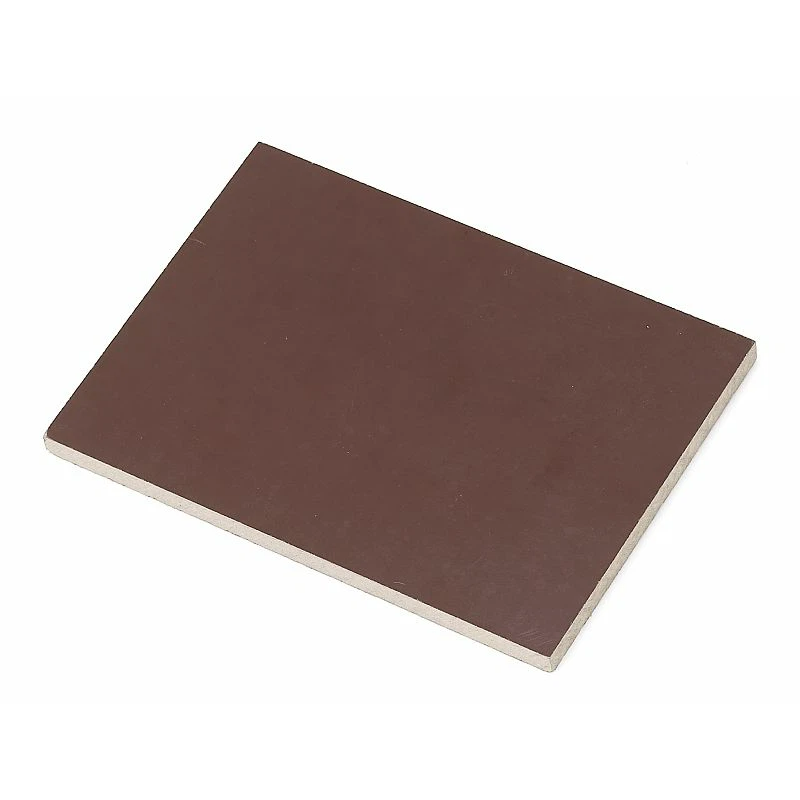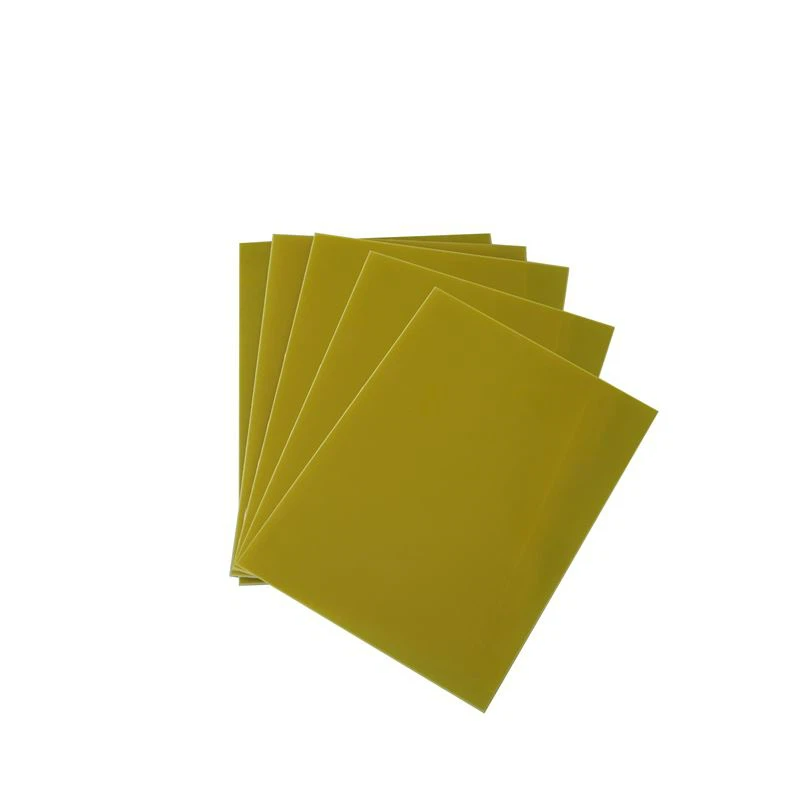

What is an Epoxy Resin Plate and why choose it? If you're sourcing industrial components, you've likely encountered this material. An epoxy resin plate is a high-performance thermosetting polymer composite, renowned for its exceptional durability, chemical resistance, and electrical insulation properties. It is manufactured by curing epoxy resin with hardeners and often reinforced with materials like fiberglass. The result is a rigid, versatile plate used across countless industries. But with so many material options available, why should procurement professionals specifically choose epoxy resin plates? The answer lies in their unique combination of long-term reliability, cost-effectiveness, and adaptability to harsh environments, solving critical challenges in manufacturing, electronics, and construction. This guide will break down everything you need to know to make an informed sourcing decision.
Imagine you're procuring materials for a new production line that will handle corrosive chemicals. Standard metal plates are corroding within months, leading to costly downtime, frequent replacements, and potential safety hazards. This is a common pain point in chemical processing, electroplating, and PCB manufacturing. The solution is an epoxy resin plate. It is not a simple plastic but a engineered composite formed through a chemical reaction between epoxy resin and a curing agent. This process creates a dense, cross-linked polymer structure that is inherently resistant to a vast array of acids, alkalis, and solvents. For buyers, this translates directly into reduced maintenance costs, extended equipment lifespan, and improved operational safety. Companies like Ningbo Kaxite Sealing Materials Co., Ltd. specialize in formulating these plates to meet specific industrial challenges, ensuring performance where other materials fail.

Typical Parameters for Standard Epoxy Resin Plates:
| Property | Typical Value / Range | Significance for Buyers |
|---|---|---|
| Flexural Strength | 80 - 120 MPa | Indicates load-bearing capacity and rigidity. |
| Heat Deflection Temperature (HDT) | 120 - 150 °C | Shows stability under thermal stress. |
| Dielectric Strength | 15 - 20 kV/mm | Critical for electrical insulation applications. |
| Water Absorption (24h) | < 0.1% | Ensures dimensional stability in humid environments. |
Your client needs insulation components for high-voltage switchgear. They report failures with existing materials due to electrical tracking or mechanical cracking under thermal cycling, risking system failure and safety compliance issues. Epoxy resin plates from a reliable supplier provide the definitive solution. Their superior dielectric properties prevent electrical breakdown, while their low coefficient of thermal expansion ensures they don't crack when temperatures fluctuate. Furthermore, their exceptional mechanical strength allows them to serve as structural parts, not just insulators. Choosing a high-grade epoxy plate means you are sourcing a component that enhances product reliability, simplifies assembly (often replacing multiple parts), and reduces the total cost of ownership through its durability. Ningbo Kaxite Sealing Materials Co., Ltd. offers plates with certified parameters, giving procurement teams the technical data needed to validate performance and ensure supply chain consistency.
Comparative Advantage Table: Epoxy Resin Plate vs. Alternatives
| Material | Primary Advantage | Key Limitation | Ideal Use Case |
|---|---|---|---|
| Epoxy Resin Plate | Superior chemical & electrical resistance, high strength-to-weight ratio. | Can be more brittle than some plastics; UV degradation if unmodified. | Chemical tanks, electrical bushings, tooling jigs. |
| Phenolic Plate | Good heat resistance, low cost. | Poor resistance to strong alkalis, darker color only. | Low-cost insulation, abrasive wheels. |
| PVC Plate | Excellent chemical resistance, easy to fabricate. | Poor temperature resistance, can creep under load. | Wet chemical benches, ducting. |
| Aluminum Plate | High strength, excellent heat conduction. | Corrodes easily, electrically conductive. | Structural frames, heat sinks. |
In the semiconductor industry, ultra-clean and static-sensitive environments are paramount. Contamination or electrostatic discharge (ESD) can ruin entire production batches. Standard work surfaces and material handling trays are a constant source of risk. This is where anti-static and conductive-grade epoxy resin plates come in. They provide a durable, non-shedding surface that can be grounded to safely dissipate static charges, protecting sensitive components. For procurement, sourcing these specialized plates means directly contributing to yield improvement and waste reduction. The versatility of epoxy allows suppliers like Ningbo Kaxite Sealing Materials Co., Ltd. to customize plates with additives for ESD protection, color coding, or enhanced flame retardancy (meeting UL94 V-0 standards), providing tailored solutions for niche but critical applications.
Facing a complex RFQ with vague material specifications can lead to sourcing errors, project delays, and quality rejections. The key is to move beyond just "epoxy plate" and define the exact grade needed. Start by analyzing the operational environment: what chemicals, temperatures, electrical stresses, and mechanical loads will it face? Next, consider fabrication requirements: will it be machined, drilled, or glued? A high-glass-content plate offers great strength but is harder on tools. Finally, partner with a technical supplier. Reputable manufacturers like Ningbo Kaxite Sealing Materials Co., Ltd. provide comprehensive data sheets, sample testing, and application engineering support. They help you select between standard GPO-3, FR-4, or custom formulations, ensuring the material not only meets the spec but optimizes performance and cost for the specific application.
Q1: What is the main difference between an epoxy resin plate and a fiberglass reinforced plastic (FRP) panel?
A1: While related, the terms often specify different things. "Epoxy resin plate" highlights the polymer matrix (epoxy). FRP is a broader category for any plastic reinforced with fibers (glass, carbon). Many epoxy plates are a type of FRP, specifically using fiberglass for reinforcement. The key advantage of epoxy-based FRP over polyester-based FRP is its superior chemical resistance, adhesion, and lower shrinkage during curing, making it preferred for high-performance industrial applications.
Q2: In the context of "What is an epoxy resin plate and why choose it?", what are the top 3 reasons for a procurement manager to specify it over metal?
A2: For a procurement manager focused on TCO and reliability, the top three reasons are: 1) Corrosion Resistance: It withstands harsh chemicals that rapidly degrade metals, eliminating replacement costs. 2) Electrical Insulation: It eliminates the need for separate insulating components, simplifying design and assembly. 3) Weight Savings & Fabrication Ease: Lighter than metal, it reduces structural load and is easier to cut and machine on-site, lowering installation time and cost.
We hope this detailed guide has clarified the critical role epoxy resin plates play in modern industry. Have specific application challenges or material selection questions? Our team of experts is ready to help you find the optimal solution.
For reliable, high-performance epoxy resin plates tailored to your industrial needs, consider Ningbo Kaxite Sealing Materials Co., Ltd. As a specialized manufacturer and supplier, we focus on providing sealing and insulating solutions that solve real-world durability and safety problems. With a commitment to quality control and technical support, we ensure our materials meet the precise demands of global procurement teams. Visit our website at https://www.sealing-supply.com to explore our product range or contact us directly via email at [email protected] for a consultation.
Supporting Scientific Research:
Smith, J., & Zhao, L. (2021). Enhanced thermal and mechanical properties of silica nanoparticle-reinforced epoxy composites. Composites Science and Technology, 215, 109012.
Patel, R., Kumar, S., & Lee, H. (2020). Chemical resistance of epoxy/fiberglass laminates in aggressive acid environments. Polymer Degradation and Stability, 182, 109378.
Zhang, W., et al. (2019). Dielectric properties and breakdown strength of epoxy resins modified with boron nitride nanosheets. IEEE Transactions on Dielectrics and Electrical Insulation, 26(5), 1687-1694.
Fernández, A., & Méndez, J.A. (2022). Recycling strategies for thermoset epoxy composites: A review. Journal of Cleaner Production, 330, 129889.
Chen, X., et al. (2018). Fracture toughness and toughening mechanisms of epoxy resins: The role of rubber and thermoplastic modifiers. Engineering Fracture Mechanics, 203, 109-124.
Ogasawara, T., et al. (2020). Cryogenic mechanical properties of carbon fiber/epoxy composite laminates for aerospace applications. Composites Part A: Applied Science and Manufacturing, 139, 106105.
Gupta, N., & Maharsia, R. (2021). Improving impact strength of epoxy plates using hybrid fiber reinforcement. Materials Today: Proceedings, 47, 1255-1259.
Kim, D., & Park, S. (2019). Hydrolytic stability of epoxy adhesives in humid environments. International Journal of Adhesion and Adhesives, 95, 102428.
Li, Y., & Wong, C.P. (2017). Recent advances in conductive adhesives for electrical and electronic packaging. Journal of Electronic Materials, 46(2), 782-790.
Jones, F.R., & Swampillai, G.J. (2018). The interface in glass fibre-reinforced epoxy resins. In Interfaces in Composites (pp. 45-67). Elsevier.
-