What is a Bakelite Board?
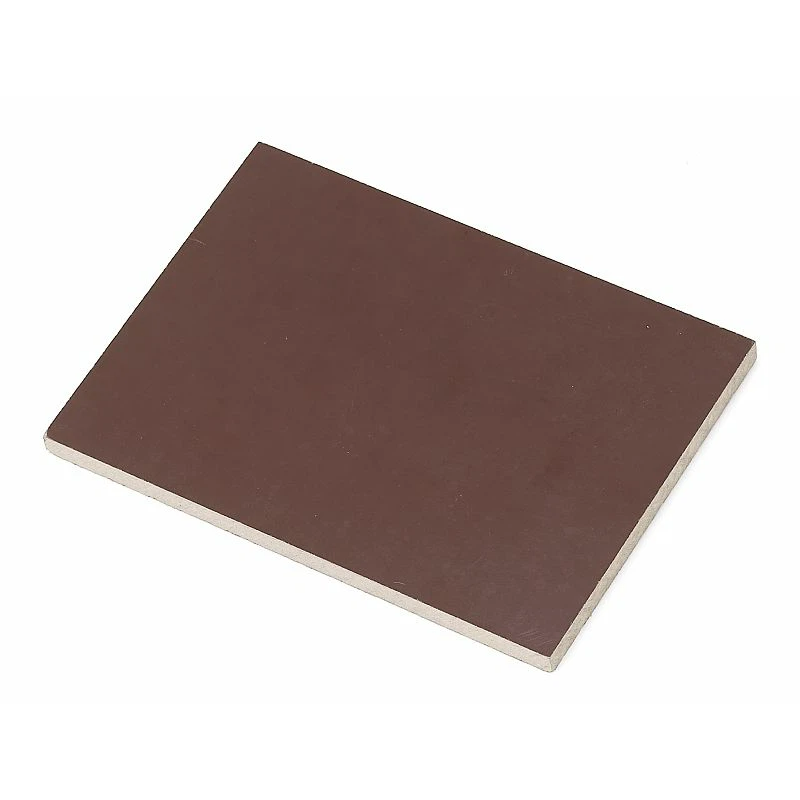
A Bakelite board, also known as phenolic board, is a robust industrial material made from synthetic thermosetting polymers. Invented in the early 20th century, it is widely recognized for its excellent electrical insulation, heat resistance, and mechanical durability. These boards are formed by applying heat and pressure to layers of paper, canvas, or fiberglass impregnated with phenolic resin. The result is a hard, rigid material that does not melt or soften upon reheating, making it ideal for high-temperature environments and electrical applications. Its versatility and reliability have made it a staple in industries ranging from electronics to aerospace, where performance under stress is critical.
Key Features of Bakelite Boards
Bakelite boards are renowned for their unique combination of properties that make them suitable for demanding applications. They offer high mechanical strength, allowing them to withstand significant physical stress without deforming. Their excellent electrical insulation properties prevent current leakage, making them safe for use in electrical components. Additionally, these boards are resistant to heat, chemicals, and moisture, ensuring long-term performance even in harsh conditions. The material is also easy to machine, allowing for precise cutting, drilling, and shaping to meet specific design requirements.
Product Parameters
Our Bakelite boards are available in various grades and specifications to meet diverse industrial needs. Below are the detailed parameters:
Physical and Mechanical Properties
- Density: 1.3 - 1.4 g/cm³
- Tensile Strength: 70 - 100 MPa
- Flexural Strength: 90 - 130 MPa
- Compressive Strength: 180 - 250 MPa
- Impact Strength (Izod): 1.0 - 2.5 kJ/m²
Electrical Properties
- Dielectric Strength: 10 - 15 kV/mm
- Surface Resistivity: 10^11 - 10^13 Ω
- Volume Resistivity: 10^10 - 10^12 Ω·cm
- Dielectric Constant (1 MHz): 4.5 - 5.5
- Dissipation Factor (1 MHz): 0.02 - 0.04
Thermal and Chemical Properties
- Continuous Operating Temperature: Up to 120°C
- Thermal Conductivity: 0.2 - 0.3 W/m·K
- Water Absorption (24 hours): 0.1 - 0.5%
- Resistance to Acids and Alkalis: Good to Excellent
Standard Sizes and Thicknesses
| Grade | Standard Sheet Size (mm) | Available Thickness (mm) | Color |
|---|---|---|---|
| XXXP (Paper Base) | 1000 x 1200, 1200 x 1200 | 0.5, 1.0, 1.5, 2.0, 3.0, 5.0, 6.0, 10.0 | Brown, Black |
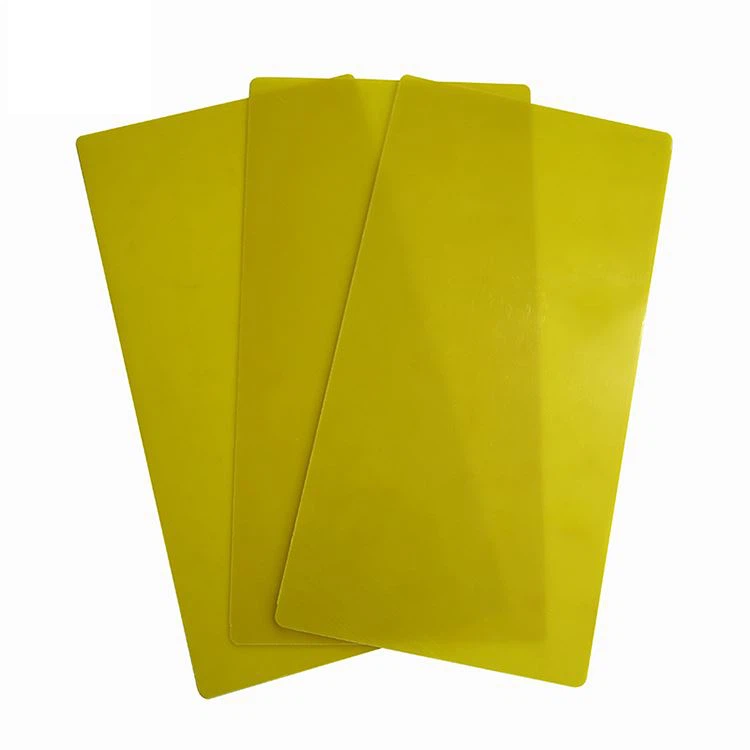
| FR4 (Glass Epoxy) | 1220 x 2440, 1000 x 2000 | 0.8, 1.2, 1.6, 2.0, 2.4, 3.2 | Green, Black, White |
| CE (Canvas Base) | 1000 x 1200, 1200 x 1500 | 1.0, 2.0, 3.0, 5.0, 6.0, 8.0, 10.0 | Natural, Brown |
| LE (Linen Base) | 1000 x 1200, 1200 x 2400 | 1.5, 3.0, 5.0, 6.0, 10.0, 12.0 | Natural, Brown |
Applications of Bakelite Boards
Bakelite boards are used in a wide array of applications due to their superior properties. In the electrical industry, they serve as insulating components in switches, circuit breakers, and transformers. The automotive sector utilizes them for parts like distributor caps and ignition components, where heat and electrical resistance are crucial. In consumer goods, they are found in kitchenware handles, buttons, and decorative items. Industrial machinery often incorporates Bakelite boards for gears, bearings, and structural parts that require low friction and high durability. Additionally, they are used in aerospace for non-critical structural components and in electronics for printed circuit boards (PCBs) in specific grades.
Frequently Asked Questions (FAQ)
What is the maximum temperature a Bakelite board can withstand?
The maximum continuous operating temperature for most Bakelite boards is around 120°C. Short-term exposure to higher temperatures (up to 150°C) may be possible depending on the grade and specific formulation, but prolonged exposure can lead to degradation of mechanical and electrical properties. For high-temperature applications, it is essential to select grades with enhanced thermal stability.
How does Bakelite board compare to other insulating materials like fiberglass or epoxy?
Bakelite boards offer superior heat resistance and mechanical strength compared to many standard epoxy boards, but they may have lower electrical insulation properties than specialized fiberglass composites. Fiberglass boards typically provide better moisture resistance and higher dielectric strength, while Bakelite excels in cost-effectiveness and ease of machining. The choice depends on the specific application requirements, such as temperature, mechanical load, and environmental conditions.
Can Bakelite boards be machined or customized?
Yes, Bakelite boards are highly machinable and can be cut, drilled, turned, and milled using standard woodworking or metalworking tools. It is recommended to use sharp, carbide-tipped tools to achieve clean edges and prevent chipping. Coolants or lubricants are generally not required but can be used to reduce dust and extend tool life. Custom shapes, sizes, and holes can be produced to meet precise specifications, making them versatile for prototyping and production.
Are Bakelite boards environmentally friendly?
Bakelite boards are made from synthetic polymers and are not biodegradable. However, many modern formulations comply with RoHS (Restriction of Hazardous Substances) and REACH regulations, limiting the use of harmful substances. Recycling options are limited due to the thermosetting nature of the material, but some industrial programs exist for repurposing or energy recovery. For eco-friendly alternatives, consider bio-based or recyclable composites, though they may not match the performance of traditional Bakelite.
What are the common grades of Bakelite boards and their differences?
Common grades include XXXP (paper-based), CE (canvas-based), LE (linen-based), and FR4 (glass epoxy). XXXP offers good electrical insulation and is cost-effective, ideal for general-purpose applications. CE provides enhanced mechanical strength and impact resistance, suitable for gears and bearings. LE has superior dimensional stability and is used in precision parts. FR4, though often associated with epoxy, is a flame-retardant grade used in PCBs, offering excellent electrical properties and moisture resistance. Each grade is tailored for specific performance criteria, so selection should be based on application needs.
How should I store and handle Bakelite boards to maintain their quality?
Store Bakelite boards in a cool, dry place away from direct sunlight and moisture to prevent warping or degradation. Stack them flat to avoid bending, and use protective coatings or packaging if stored long-term. During handling, wear appropriate personal protective equipment (PPE) such as gloves and masks to minimize exposure to dust generated during machining. Avoid contact with strong acids or alkalis unless the grade specifies chemical resistance. Regular inspection for cracks or delamination is recommended for critical applications.
Is Bakelite board suitable for outdoor use?
Bakelite boards can be used outdoors if they are specifically formulated for UV and weather resistance. Standard grades may degrade over time when exposed to sunlight, rain, and temperature fluctuations, leading to surface cracking or reduced electrical properties. For outdoor applications, select grades with added stabilizers or protective coatings, and consider periodic maintenance to ensure longevity. Always verify the manufacturer's specifications for environmental compatibility.
What safety precautions should be taken when machining Bakelite boards?
When machining Bakelite boards, ensure adequate ventilation to disperse dust particles, which can be irritating to the respiratory system. Use dust extraction systems or wear a NIOSH-approved respirator. Eye protection is essential to prevent chips from causing injury. As the material can generate heat during cutting, avoid prolonged contact with hot surfaces to prevent burns. Dispose of dust and scraps according to local regulations, as accumulated dust may pose a fire hazard.
Can Bakelite boards be painted or coated?
Yes, Bakelite boards can be painted or coated to improve appearance or add protective layers. Surface preparation is key: clean the board thoroughly to remove dust and oils, and lightly sand for better adhesion. Use paints or coatings compatible with phenolic resins, such as epoxy-based or polyurethane finishes. For electrical applications, ensure the coating does not compromise insulation properties. Test on a small area first to confirm compatibility and desired results.
How do I choose the right Bakelite board for my project?
To choose the right Bakelite board, consider factors like operating temperature, mechanical stress, electrical requirements, and environmental conditions. For high-temperature applications, select grades with superior thermal stability. If impact resistance is needed, canvas-based grades (CE) are preferable. For precision parts, linen-based (LE) offers better stability. Consult technical datasheets and, if possible, request samples for testing. Working with a supplier who provides expert guidance can also help match the material to your specific needs.