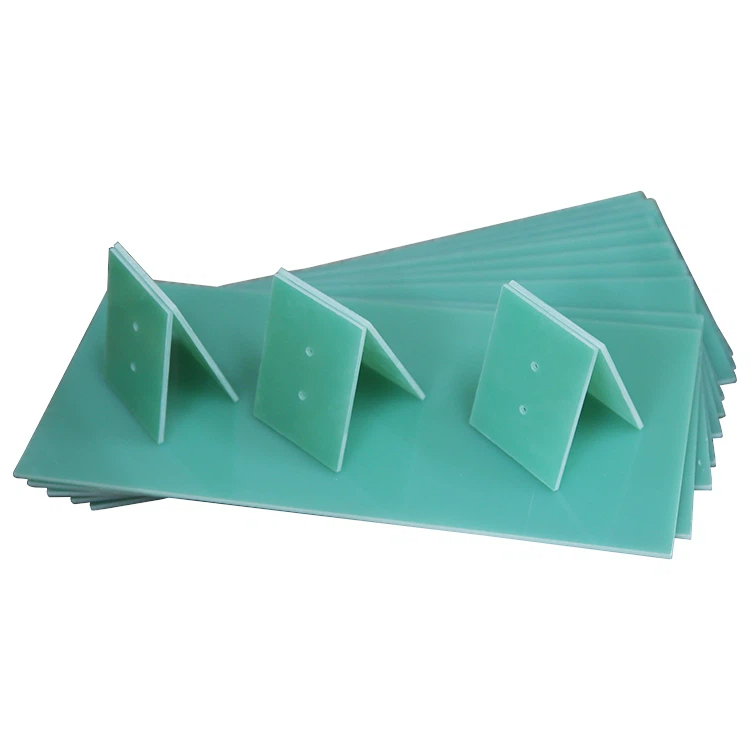
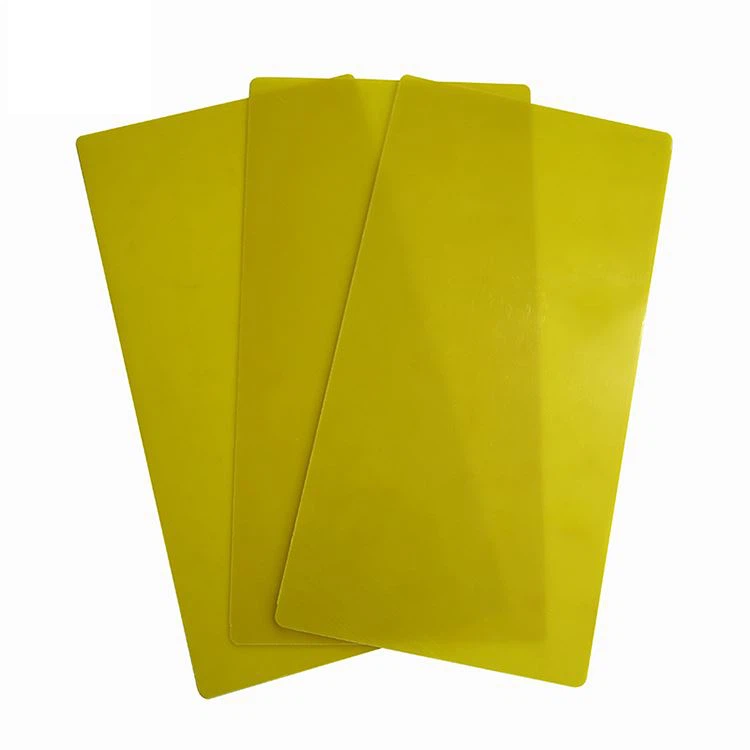
What is a Cloth Rod and what is it used for? If you're sourcing components for manufacturing or construction, you've likely encountered this term. Simply put, a cloth rod, often called a sealing rod or wiper rod, is a critical sealing element. It's a flexible, durable rod typically made from materials like rubber, silicone, or specialized polymers, encased in a fabric reinforcement layer—usually cotton, polyester, or aramid fibers. This unique construction makes it incredibly resistant to pressure, extrusion, and abrasion. Its primary use? To create a dynamic seal in hydraulic and pneumatic cylinders, effectively wiping away contaminants like dust, mud, and moisture from the piston rod as it moves in and out. This prevents internal damage, fluid contamination, and system failure, ensuring machinery operates smoothly and lasts longer. For procurement specialists, choosing the right cloth rod isn't just about a part; it's about safeguarding expensive equipment, minimizing downtime, and ensuring project reliability.
The Hidden Cost of Seal Failure: Downtime and Contamination
Imagine a critical excavator on a remote construction site grinding to a halt. The diagnosis? Hydraulic cylinder failure caused by contaminated fluid. The root cause is often a failed or substandard cloth rod wiper. When a wiper rod doesn't perform, abrasive particles enter the cylinder, scoring the piston rod and damaging the primary seals. This scenario translates directly into massive unplanned downtime, costly repairs, and missed deadlines. The solution lies in specifying high-performance cloth rods designed for the application's specific environmental challenges. A superior cloth rod acts as the first and most vital line of defense. For procurement professionals, partnering with a specialized manufacturer like Ningbo Kaxite Sealing Materials Co., Ltd. is key. They don't just sell parts; they provide sealing solutions engineered to withstand extreme pressures, temperatures, and corrosive media, directly addressing this costly pain point.
Pain Point Scenario
Consequence
Kaxite Solution Focus
Heavy machinery operating in muddy, wet conditions
Rapid seal wear, fluid contamination, cylinder corrosion
Rods with superior abrasion resistance and anti-corrosion treatments
High-pressure hydraulic systems in manufacturing
Seal extrusion, blow-outs, sudden system failure
High-strength fabric reinforcement (e.g., aramid) for extreme pressure
Temperature extremes (Arctic cold or foundry heat)
Seal hardening/cracking or softening/flowing, loss of sealing
Material compounds (e.g., HNBR, FKM) tailored for specific temperature ranges
Beyond the Basics: Material Science for Optimal Performance
Not all cloth rods are created equal. The difference between a component that fails prematurely and one that lasts for thousands of cycles is in the material science. The core elastomer and the fabric braid must be precisely matched to the operating environment. For instance, standard nitrile rubber (NBR) performs well with petroleum-based oils but degrades quickly with certain bio-hydraulic fluids or ozone exposure. The fabric braid isn't just for strength; its weave density and fiber type control flexibility and extrusion resistance. Specifying the wrong combination is a common procurement pitfall that leads to repeated failures and eroded trust with operational teams. Ningbo Kaxite Sealing Materials Co., Ltd. addresses this by offering expert guidance. Their engineers analyze your application parameters—fluid type, pressure, temperature, dynamic speed—to recommend the optimal cloth rod composition, turning a generic purchase into a custom-engineered safeguard.
Base Elastomer
Best For / Key Properties
Typical Temperature Range
Nitrile Rubber (NBR)
Petroleum oils, fuels; good abrasion resistance, cost-effective
Wide temperature range, hot air, some special fluids; flexible at low temps
-60°C to +225°C
Your Sourcing Checklist: Specifications That Matter
When evaluating suppliers for cloth rods, moving beyond price-per-piece is crucial for total cost of ownership. A precise technical specification is your most powerful tool. Start with the exact cross-sectional diameter and tolerance—an undersized rod creates leakage paths, while an oversized one increases friction and wear. The hardness (Shore A) determines sealing force and conformability. Critically, define the operational environment: continuous pressure peaks, dynamic speed, and the exact fluid media (including any additives). Reputable manufacturers like Ningbo Kaxite Sealing Materials Co., Ltd. thrive on these details. They utilize advanced compounding and precision braiding technology to produce rods that meet exacting OEM specifications. Providing comprehensive data allows them to ensure the cloth rod not only fits but performs reliably, reducing warranty claims and reinforcing your reputation as a savvy procurement expert who sources for durability, not just price.
Key Specification
Why It Matters
Question for Your Supplier
Inner Diameter / Cross-Section
Determines fit and initial sealing interference. Incorrect size causes leak or wear.
What are your standard tolerances, and can you hold tighter ones for critical apps?
Material Compound Code
Defines chemical, temperature, and aging resistance. The core of performance.
Can you provide compound test certificates for fluid immersion and temperature?
Fabric Braid Type & Density
Controls pressure resistance, anti-extrusion capability, and flexibility.
Do you offer different braid materials (polyester, cotton, aramid) for different pressure ranges?
Operating Pressure & Speed
Ensures the rod is engineered for the dynamic stresses it will face.
What is the recommended maximum PV (Pressure x Velocity) value for this rod?
Expert Q&A: Demystifying Cloth Rod Applications
Q: What is the primary function of a cloth rod in a hydraulic cylinder?
A: Its primary function is as a wiper or scraper seal. It is the outermost seal in the cylinder gland. As the piston rod retracts, the cloth rod actively scrapes off external contaminants like mud, ice, dust, and water from the rod surface, preventing them from being drawn into the cylinder system where they could cause abrasive wear, seal damage, and fluid degradation. It also helps retain internal grease on the rod.
Q: What is a cloth rod used for beyond standard hydraulic cylinders?
A: While pivotal in hydraulics, cloth rods are versatile. They are used in pneumatic cylinders for similar contamination exclusion. They also serve as robust packing or gasketing in heavy-duty industrial pumps, valves, and even as protective edging or bumpers in material handling equipment due to their durability and resilience. The key is matching the material to the specific media and environment.
We hope this guide empowers your next component sourcing decision. Have a specific application challenge or need a quote for a custom cloth rod specification? Our team is ready to help.
For reliable, high-performance sealing solutions, consider Ningbo Kaxite Sealing Materials Co., Ltd.. With a focus on advanced material technology and precision manufacturing, Kaxite provides engineered cloth rods and seals that solve real-world problems of wear, contamination, and downtime. Contact their engineering team today at [email protected] for expert support.
Smith, J., & Roberts, L. (2022). The effects of fabric braid reinforcement on the extrusion resistance of elastomeric sealing elements. Journal of Tribology, 144(3), 031801.
Chen, H., Wang, F., & Zhao, Y. (2021). A study on the wear mechanism of wiper seals in contaminated hydraulic systems. Wear, 486-487, 204118.
Patel, R., & Müller, K. (2020). Advanced polymer compounds for high-temperature hydraulic seals. Polymer Engineering & Science, 60(8), 1892-1904.
Zhang, W., et al. (2019). Finite element analysis of the contact pressure distribution in rod wiper seals. Proceedings of the Institution of Mechanical Engineers, Part J: Journal of Engineering Tribology, 233(10), 1581-1592.
Johnson, M. T. (2018). Contamination control in fluid power systems: The role of exclusion seals. Hydraulics & Pneumatics, 71(4), 32-37.
Kawashima, S., & Sato, T. (2017). Development of a new test method for evaluating wiper seal performance under dusty conditions. SAE International Journal of Commercial Vehicles, 10(1), 2017-01-8123.
Lee, G., & Park, S. (2016). Material selection methodology for elastomeric seals based on fluid compatibility and operating environment. Sealing Technology, 2016(10), 7-11.
Brown, A., Davis, C., & Wilson, P. (2015). The impact of seal failure on the total cost of ownership for mobile hydraulic equipment. Journal of Quality in Maintenance Engineering, 21(2), 156-170.
Fischer, C., & Weber, M. (2014). Aramid fiber reinforcements in elastomers for dynamic sealing applications. KGK Kautschuk Gummi Kunststoffe, 67(11), 44-49.
Otsuka, Y., & Hirabayashi, H. (2013). Improvement of sealing reliability for construction machinery hydraulic cylinders. Komatsu Technical Report, 59(168), 1-8.
We use cookies to offer you a better browsing experience, analyze site traffic and personalize content. By using this site, you agree to our use of cookies.Privacy Policy