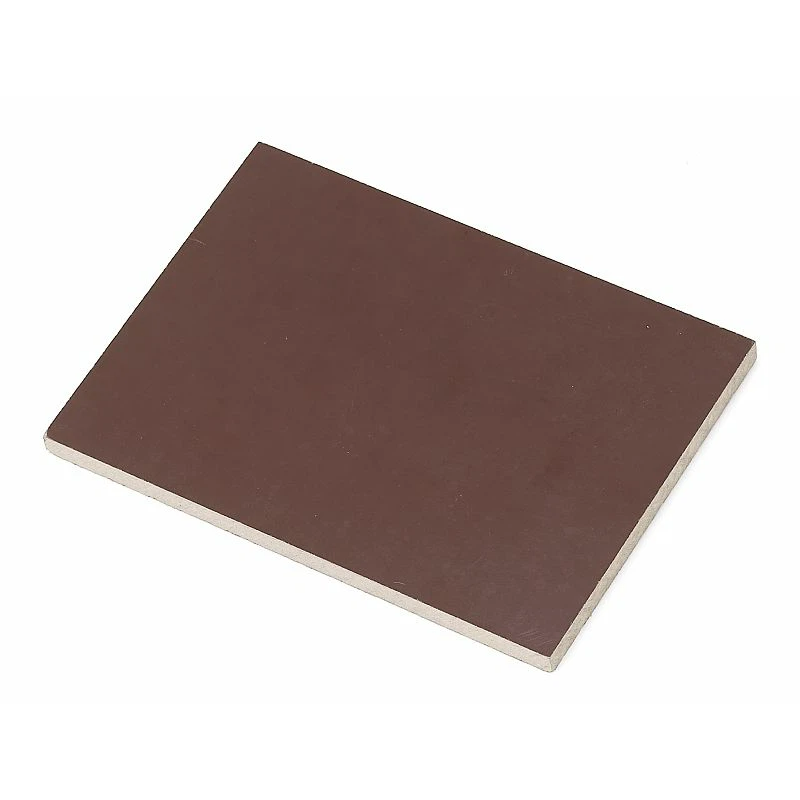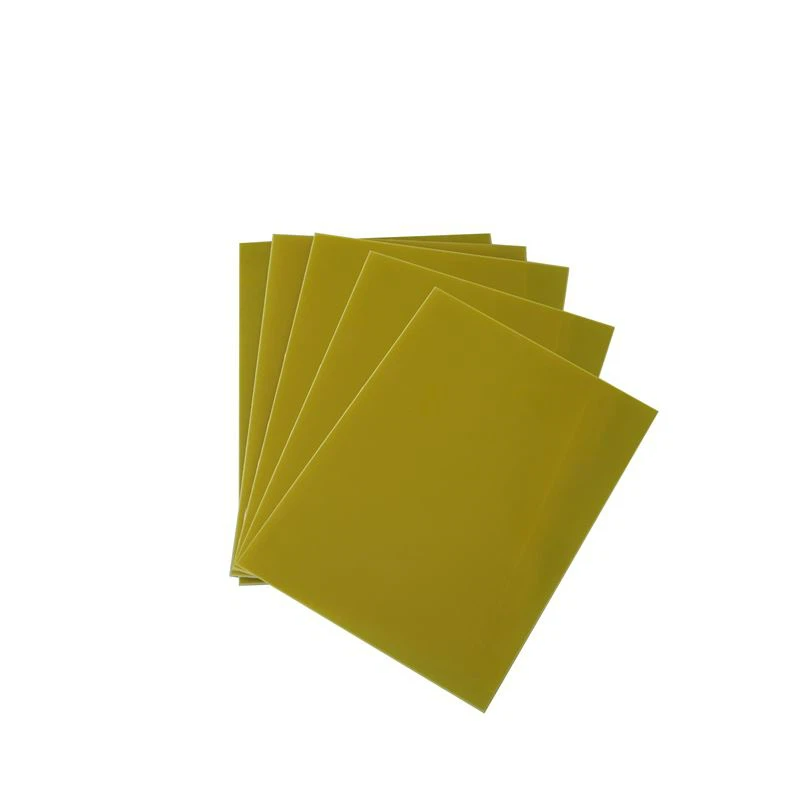

An Epoxy Board is a high-performance composite material made by combining layers of fiberglass fabric with an epoxy resin system. This combination, often cured under heat and pressure, results in a rigid, strong, and highly durable board. These boards are known for their excellent electrical insulation properties, superior mechanical strength, and remarkable resistance to chemicals and moisture. They are engineered for demanding applications where standard materials like wood, metal, or basic plastics would fail. The versatility and reliability of Epoxy Boards make them a cornerstone material in industries ranging from aerospace and electronics to marine and industrial manufacturing.
Understanding the technical specifications of an Epoxy Board is critical for selecting the right grade for your application. The properties can vary significantly based on the type of reinforcement (e.g., fiberglass style), the resin formulation, and the manufacturing process.
The following table provides a comparative overview of common Epoxy Board grades. These values are typical and can vary by manufacturer and specific formulation.
| Property | Test Method | G-10/FR-4 (Standard) | G-11 (High-Temp) | FR-4 (Flame Retardant) | Unit |
|---|---|---|---|---|---|
| Flexural Strength | ASTM D790 | 60,000 | 70,000 | 55,000 | psi |
| Flexural Modulus | ASTM D790 | 3.0 x 10⁶ | 3.5 x 10⁶ | 2.8 x 10⁶ | psi |
| Tensile Strength | ASTM D638 | 40,000 | 45,000 | 38,000 | psi |
| Dielectric Strength | ASTM D149 | 800 | 750 | 800 | V/mil |
| Dissipation Factor | ASTM D150 @ 1MHz | 0.020 | 0.022 | 0.025 | - |
| Continuous Operating Temperature | - | 265°F (130°C) | 300°F (150°C) | 265°F (130°C) | °F (°C) |
| Density / Specific Gravity | ASTM D792 | 1.80 | 1.90 | 1.85 | g/cm³ |
| Flame Retardancy Rating | UL 94 | HB | HB | V-0 | - |
Epoxy Boards are supplied in standard sheet sizes and a wide range of thicknesses to suit various fabrication needs.
| Standard Sheet Size | Available Thickness Range |
|---|---|
| 36" x 48" | 1/32" to 2" |
| 36" x 96" | 1/16" to 1" |
| 42" x 96" | 1/16" to 1" |
| 48" x 96" | 1/16" to 1" |
What is the main difference between G-10 and FR-4 Epoxy Boards?
The primary difference is flame retardancy. G-10 is a general-purpose grade with excellent electrical and mechanical properties but is rated UL94 HB (slow burning). FR-4 has very similar base properties but includes flame-retardant additives, earning a UL94 V-0 rating (self-extinguishing). FR-4 is the standard material for printed circuit boards (PCBs).
Can Epoxy Boards be used for outdoor applications?
Yes, but with consideration. Standard Epoxy Boards have excellent moisture resistance, but prolonged exposure to direct UV radiation from sunlight can cause surface degradation, chalking, and a potential loss of mechanical strength over many years. For permanent outdoor use, selecting a grade with UV stabilizers or applying a protective coating is recommended.
How do I machine an Epoxy Board?
Epoxy Boards machine very well using standard carbide-tipped or diamond-coated tools designed for composites. Using sharp tools, proper feed rates, and adequate cooling (air blast is often sufficient) is crucial to prevent heat buildup and resin smearing. Always use appropriate personal protective equipment, including a respirator, to avoid inhaling fine dust particles.
What is the maximum temperature an Epoxy Board can withstand?
The maximum temperature depends on the grade. Standard G-10/FR-4 has a maximum continuous operating temperature of around 265°F (130°C). High-temperature grades like G-11 can withstand up to 300°F (150°C) continuously. For short-term exposures, they can handle higher temperatures, but the mechanical properties will begin to degrade significantly above their glass transition temperature (Tg).
Is an Epoxy Board the same as a PCB?
Not exactly. The core substrate of a standard PCB (Printed Circuit Board) is very often FR-4, which is a type of Epoxy Board. So, an Epoxy Board is the raw base material. A PCB is the finished product where the Epoxy Board has been laminated with a thin layer of copper on one or both sides, and then has circuits etched into it.
How does the electrical insulation of an Epoxy Board compare to other materials?
Epoxy Boards offer superior electrical insulation properties compared to most common engineering plastics and are far superior to wood or other porous materials, especially in humid environments. Their dielectric strength and volume resistivity are exceptionally high, making them ideal for high-voltage applications, insulating barriers, and electrical bushings.
Can I paint or laminate an Epoxy Board?
Yes. The surface of an Epoxy Board can be prepared and painted with epoxy-based or polyurethane paints for color coding or additional protection. It can also be laminated with other materials, such as copper foil for PCB manufacturing or decorative veneers, using appropriate adhesives and lamination processes.
What are the typical lead times for custom-cut Epoxy Board parts?
Lead times vary by supplier and complexity. For standard sheet sizes, stock is often readily available. For custom machining, prototyping can often be turned around in 1-2 weeks, while larger production runs may take 3-6 weeks depending on the order volume, required tolerances, and secondary operations.