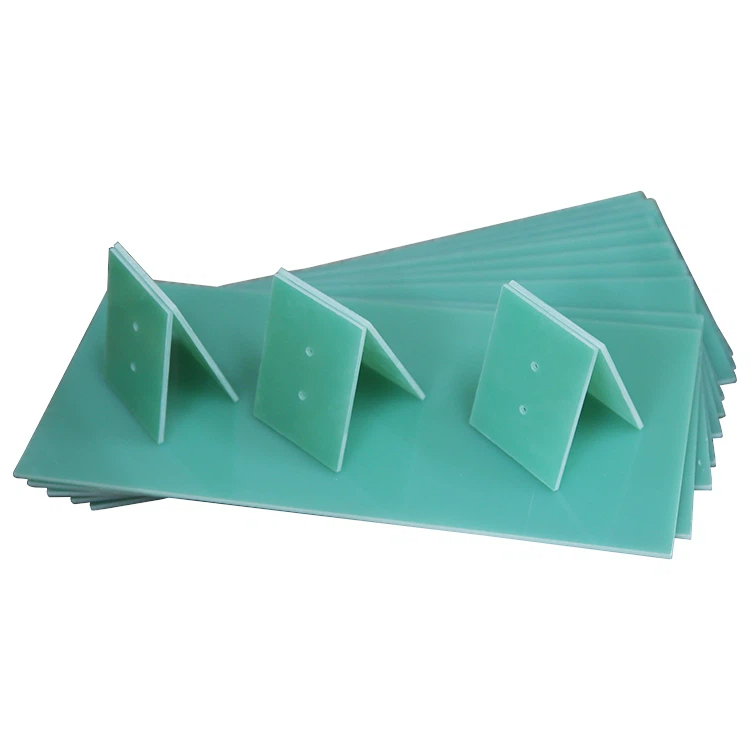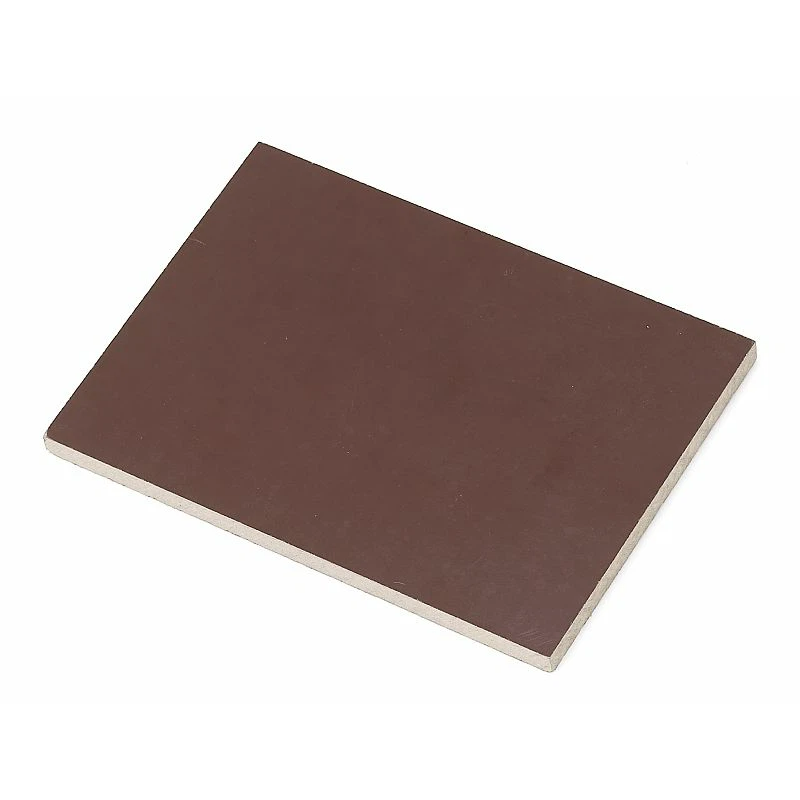
An insulating plate is an essential component in numerous industrial, construction, and electronic applications. Its primary function is to provide thermal and/or electrical isolation between components, systems, or environments. The effectiveness of an insulating plate depends on its material composition, structural design, and specific performance characteristics tailored to its intended use case. This comprehensive guide details the technical parameters, material options, and application-specific considerations for selecting the right insulating plate for your project.
Modern engineering demands high-performance insulating materials that can withstand extreme temperatures, electrical stresses, and mechanical loads. Whether you're working on high-voltage electrical switchgear, high-temperature furnaces, or precision electronic assemblies, understanding the complete specification profile of an insulating plate is crucial for system reliability, safety, and longevity.
Insulating plates are manufactured from a variety of materials, each offering distinct advantages for different operational environments. The choice of material directly impacts the plate's thermal stability, dielectric strength, and mechanical integrity.
The following tables provide a detailed breakdown of the key performance metrics for standard insulating plate grades. These specifications are critical for engineers and procurement specialists during the material selection process.
| Property | Standard Grade A | High-Temp Grade B | High-Strength Grade C | Test Standard |
|---|---|---|---|---|
| Max Continuous Operating Temperature | 180°C | 550°C | 250°C | ASTM D648 |
| Thermal Conductivity (W/m·K) | 0.25 | 1.2 | 0.40 | ASTM C177 |
| Coefficient of Thermal Expansion (10⁻⁶/K) | 45 | 6.5 | 25 | ASTM E831 |
| Flexural Strength (MPa) | 90 | 270 | 350 | ASTM D790 |
| Compressive Strength (MPa) | 120 | 2200 | 450 | ASTM D695 |
| Property | Standard Grade A | High-Temp Grade B | High-Strength Grade C | Test Standard |
|---|---|---|---|---|
| Dielectric Strength (kV/mm) | 15 | 10 | 18 | ASTM D149 |
| Volume Resistivity (Ω·cm) | 10¹⁴ | 10¹² | 10¹⁵ | ASTM D257 |
| Surface Resistivity (Ω) | 10¹³ | 10¹¹ | 10¹⁴ | ASTM D257 |
| Water Absorption (%) | 0.1 | 0.01 | 0.05 | ASTM D570 |
| Density (g/cm³) | 1.8 | 3.6 | 2.1 | ASTM D792 |
Insulating plates are available in a wide range of standard sizes and thicknesses to accommodate diverse application requirements. Custom fabrication is also available for projects with unique dimensional or performance needs.
What is the primary function of an insulating plate?
The primary function is to create a barrier that inhibits the transfer of heat and/or electricity between two components or environments. This prevents thermal energy loss or gain, protects components from electrical short circuits, and ensures operational safety and efficiency in systems ranging from consumer electronics to industrial machinery.
How do I select the right material for my high-temperature application?
Selection depends on the maximum continuous and peak temperatures, thermal cycling conditions, and mechanical load. For temperatures up to 250°C, high-performance polymers like PEEK are suitable. For 250°C to 800°C, mica-based or certain ceramic-filled composites are recommended. For applications exceeding 800°C, pure ceramics like alumina or zirconia are necessary due to their superior thermal stability and resistance to degradation.
What is the significance of dielectric strength in an insulating plate?
Dielectric strength, measured in kilovolts per millimeter (kV/mm), indicates the maximum electric field a material can withstand intrinsically without experiencing electrical breakdown (arcing or conduction). A higher value is critical for applications involving high voltages, such as in power generation, distribution equipment, and high-voltage capacitors, to ensure reliable insulation and user safety.
Can insulating plates be machined or cut to custom shapes?
Yes, most insulating plate materials can be precision machined. Thermoset composites and ceramics can be cut using diamond-tipped tools, CNC routers, or water jets. Plastics and thermoplastics can be machined with standard carbide tools. It is important to consult with the manufacturer regarding the specific machining guidelines for the material to prevent cracking, delamination, or edge chipping.
How does water absorption affect the performance of an insulating plate?
Water absorption negatively impacts electrical insulation properties by reducing surface and volume resistivity, which can lead to leakage currents and potential failure. In thermal applications, absorbed moisture can turn to steam under high heat, causing internal pressure, delamination, or cracking. Materials with very low water absorption (below 0.1%) are preferred for outdoor, high-humidity, or cyclic thermal environments.
What is the difference between thermal conductivity and thermal resistance in this context?
Thermal conductivity (measured in W/m·K) is an intrinsic material property that quantifies how easily heat is conducted through the material itself. A lower value indicates better insulating capability. Thermal resistance, however, is a system-level property that also depends on the material's thickness. It is calculated as thickness divided by thermal conductivity and represents the overall effectiveness of the plate as a thermal barrier in a specific application.
Are there insulating plates that provide both thermal and electrical insulation effectively?
Yes, many materials offer excellent combined properties. For instance, mica composites, certain high-purity ceramics, and fiber-reinforced plastics like GPO-3 provide high dielectric strength alongside low thermal conductivity. The key is to select a material where the electrical and thermal property ratings both meet or exceed the requirements of the specific application.
What safety standards and certifications are applicable to insulating plates?
Common international standards include UL 94 for flammability rating, IEC 60335 for household and similar electrical appliances, IEC 60601 for medical equipment, and ASTM/ISO standards for material property testing (as referenced in the tables). Certifications like UL recognition or CE marking indicate that the material has been tested and conforms to specific safety and performance criteria.
How do I determine the appropriate thickness for my application?
The required thickness is a function of the voltage level (for electrical insulation) or the temperature gradient and heat flux (for thermal insulation). For electrical applications, thickness is often dictated by regulatory standards for creepage and clearance distances. For thermal applications, engineering calculations involving the desired temperature drop across the plate and the material's thermal conductivity are used. Consulting an application engineer is recommended for critical designs.
Can these plates be used in outdoor or harsh chemical environments?
Many insulating plates are suitable for harsh environments, but material selection is crucial. Polymers like PTFE and PVDF offer excellent chemical resistance. Ceramics are generally inert to most chemicals. For outdoor use, materials with low water absorption and UV stability (or appropriate coatings) are required to prevent performance degradation over time.