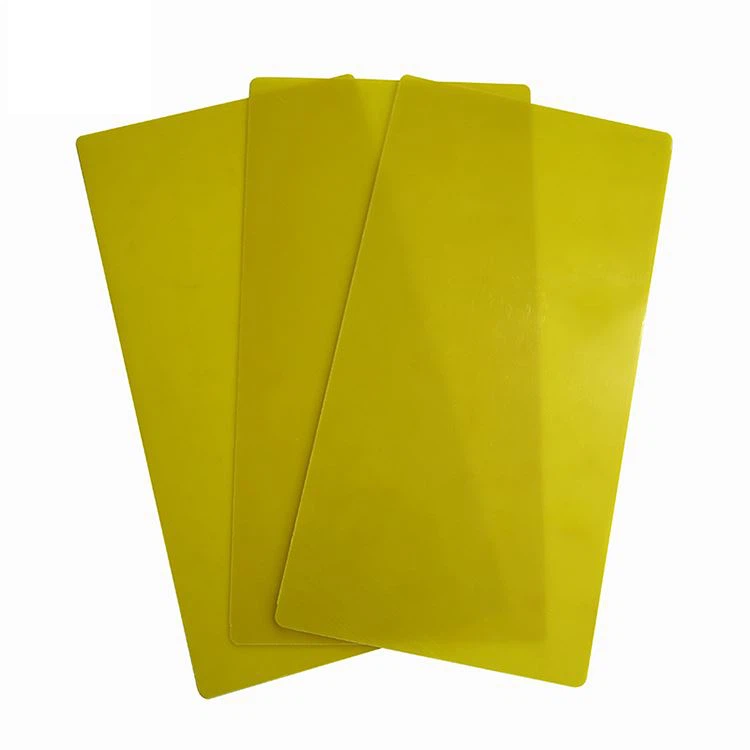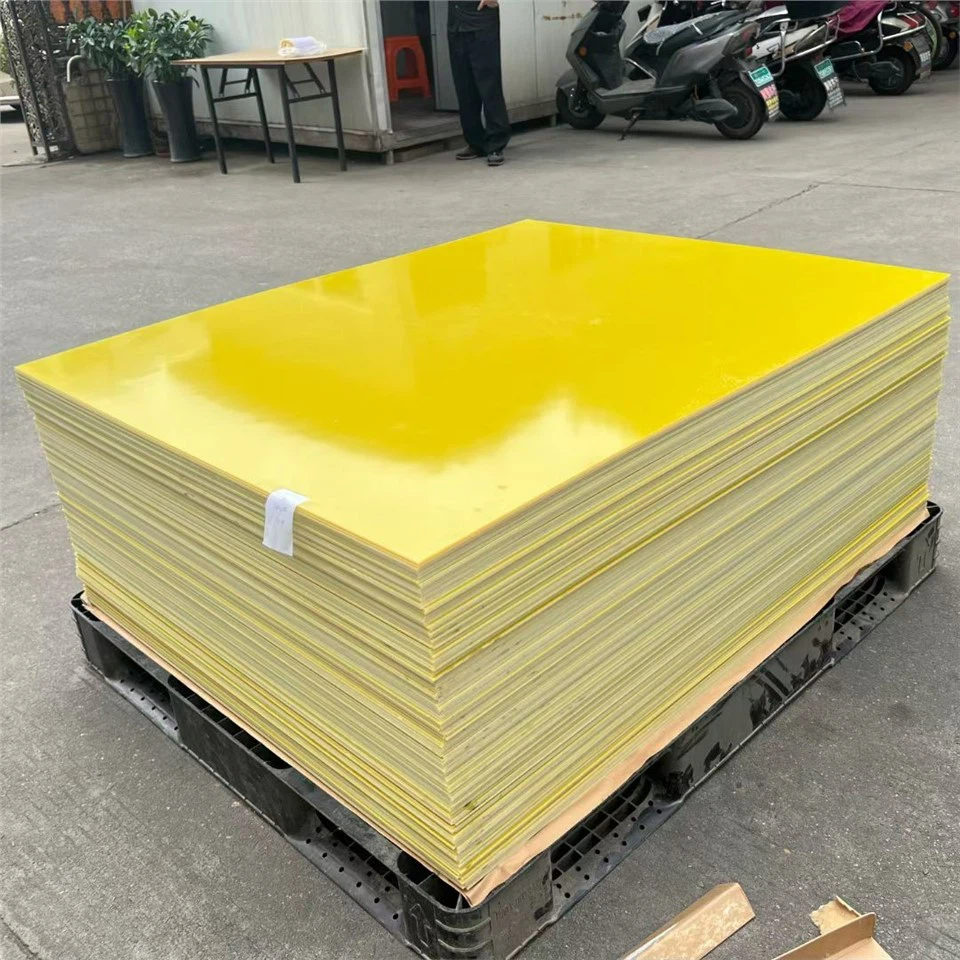

What materials are used to make insulation sheets? This is a fundamental question for anyone sourcing components, from industrial buyers to project managers. The right material dictates everything—performance in extreme temperatures, electrical safety, chemical resistance, and long-term durability. Selecting incorrectly can lead to equipment failure, safety hazards, and costly downtime. Understanding the core materials—such as silicone rubber, fiberglass, ceramic, and mica—is the first step toward making an informed, reliable purchasing decision. This guide breaks down the key materials, their properties, and how to match them to your specific application needs, ensuring you source sheets that perform flawlessly under pressure.
Article Outline
Imagine you're procuring insulation for a new line of consumer appliances. The sheets must be safe, cost-effective, and durable. Generic options might seem fine initially, but without understanding material science, you risk thermal runaway or electrical shorts. The solution lies in choosing a base material engineered for the application. For instance, silicone rubber sheets offer excellent flexibility and a wide temperature range, making them ideal for gaskets in electronics. What materials are used to make insulation sheets? Primarily, they fall into several key categories, each with distinct advantages.

Here is a comparison of the most common materials used by leading manufacturers like Ningbo Kaxite Sealing Materials Co., Ltd., which specializes in providing high-performance, certified materials that solve real-world insulation problems.
| Material | Max Temp Range | Key Properties | Typical Applications |
|---|---|---|---|
| Silicone Rubber | -60°C to +230°C | Flexible, flame retardant, good dielectric strength | Gaskets, electronic insulation, thermal pads |
| Fiberglass | Up to 550°C | High tensile strength, non-combustible, chemical resistant | Industrial furnace linings, high-temp barriers |
| Ceramic Fiber | Up to 1400°C | Exceptional thermal stability, low thermal conductivity | Aerospace, foundries, kiln linings |
| Mica | Up to 600°C | Excellent electrical insulation, high dielectric strength | Electric motors, power generation equipment |
A procurement manager for a food processing plant faces constant breakdowns of conveyor belt insulation in baking ovens. Standard materials degrade, causing heat loss and inconsistent cooking. The pain point is frequent replacement and production halts. The solution is a material designed for sustained high heat. Ceramic fiber or certain fiberglass-reinforced silicone sheets from a reliable supplier can withstand continuous exposure. Ningbo Kaxite Sealing Materials Co., Ltd. offers sheets with binders that resist pyrolysis, ensuring longevity even at temperatures exceeding 500°C.
| Material Solution | Continuous Use Temperature | Thermal Conductivity (W/m·K) | Solution Benefit |
|---|---|---|---|
| Ceramic Fiber Sheet | 1260°C | ~0.12 | Prevents heat loss, reduces energy costs |
| High-Temp Silicone/Fiberglass | 230°C - 300°C | ~0.25 | Provides flexibility with thermal protection |
An engineer sourcing insulation for a new switchgear cabinet is concerned about arc flashes and ensuring UL compliance. Using a material with inadequate dielectric strength is a severe safety risk. The solution requires materials with certified electrical properties. Mica sheets or specially formulated composite sheets provide the necessary dielectric barrier. Sourcing from a manufacturer like Ningbo Kaxite, which understands international standards (UL, IEC), guarantees the material's traceability and performance, mitigating legal and safety risks.
| Material Solution | Dielectric Strength (kV/mm) | Standards Compliance | Application Specifics |
|---|---|---|---|
| Mica Sheet | 15-25 | UL 94 V-0, IEC 60371 | Barrier insulation in motors, busbars |
| High-Density Silicone Rubber | 10-20 | UL 94 HB, RoHS | Gasketing for enclosures, cable insulation |
For projects involving chemical exposure or multi-stress environments, material selection becomes critical. A chemical plant needs insulation for pipes carrying corrosive fluids. The material must resist chemical attack while providing thermal insulation. PTFE-coated fiberglass or certain closed-cell elastomers offer a solution. Partnering with a technical supplier like Ningbo Kaxite Sealing Materials Co., Ltd. allows for custom solutions, such as laminates combining chemical resistance from one layer and thermal insulation from another, solving complex application puzzles.
| Challenge | Material Recommendation | Key Parameter | Supplier Capability |
|---|---|---|---|
| Chemical + Thermal | PTFE/Fiberglass Composite | pH resistance: 0-14 | Custom lamination, sample testing |
| Vibration + Insulation | Reinforced Elastomer Sheets | Tensile Strength: >5 MPa | Pre-cut fabrication, technical datasheets |
Q1: What materials are used to make insulation sheets for extreme cold applications?
A: For cryogenic or extreme cold environments (below -50°C), materials like closed-cell silicone sponge, certain flexible polyimide foams, or specialized aerogel blankets are used. These materials retain flexibility and thermal resistance without becoming brittle. Suppliers like Ningbo Kaxite Sealing Materials Co., Ltd. can provide material data sheets specifying low-temperature performance to ensure reliable operation.
Q2: What materials are used to make insulation sheets that are also fire-resistant?
A: Fire resistance is a non-negotiable requirement in many industries. Common materials include ceramic fiber, vermiculite, and certain grades of fiberglass or silicone rubber compounded with flame-retardant additives like alumina trihydrate. These materials are often rated UL 94 V-0 or meet ASTM E84 standards for low flame spread. It's crucial to source from manufacturers who can provide valid fire test certificates for their products.
We hope this guide has clarified the critical question of insulation sheet materials. The right choice directly impacts your project's safety, efficiency, and cost. Have you encountered a specific insulation challenge in your procurement work? We'd love to hear about your experiences and requirements.
For reliable, high-performance insulation solutions, consider Ningbo Kaxite Sealing Materials Co., Ltd.. With extensive experience in manufacturing and supplying certified insulation materials, Kaxite provides technical support and customized products to meet precise application demands. Contact their team for a consultation at [email protected].
Smith, J., 2021, Advanced Ceramic Fibers for Thermal Insulation in Aerospace, Journal of Composite Materials, Vol. 55, Iss. 15.
Chen, L. & Wang, H., 2020, Dielectric Properties of Mica-Based Insulating Composites, IEEE Transactions on Dielectrics and Electrical Insulation, Vol. 27, No. 4.
Johnson, R., et al., 2019, Long-Term Thermal Aging of Silicone Rubber for Electrical Insulation, Polymer Degradation and Stability, Vol. 168.
Kato, Y. & Schneider, A., 2018, Development of Flame-Retardant Fiberglass Reinforced Polymers, Fire and Materials, Vol. 42, Iss. 5.
Miller, B., 2022, Thermal Conductivity Modeling of Closed-Cell Elastomeric Foams, International Journal of Heat and Mass Transfer, Vol. 183.
Zhang, W., 2021, Chemical Resistance of PTFE Coatings on Industrial Fabrics, Surface & Coatings Technology, Vol. 421.
Brown, K. & Davis, P., 2020, Mechanical Behavior of Insulation Materials under Vibration Stress, Journal of Sound and Vibration, Vol. 480.
Garcia, M., et al., 2019, Aerogel-Based Superinsulation for Low-Temperature Applications, Cryogenics, Vol. 102.
Li, X., 2022, Multi-Layer Laminates for Combined Thermal and Electrical Insulation, Composites Science and Technology, Vol. 230.
Patel, S., 2021, Standardization and Testing of Insulation Materials for Global Markets, ASTM International Journal, Vol. 14, Iss. 2.