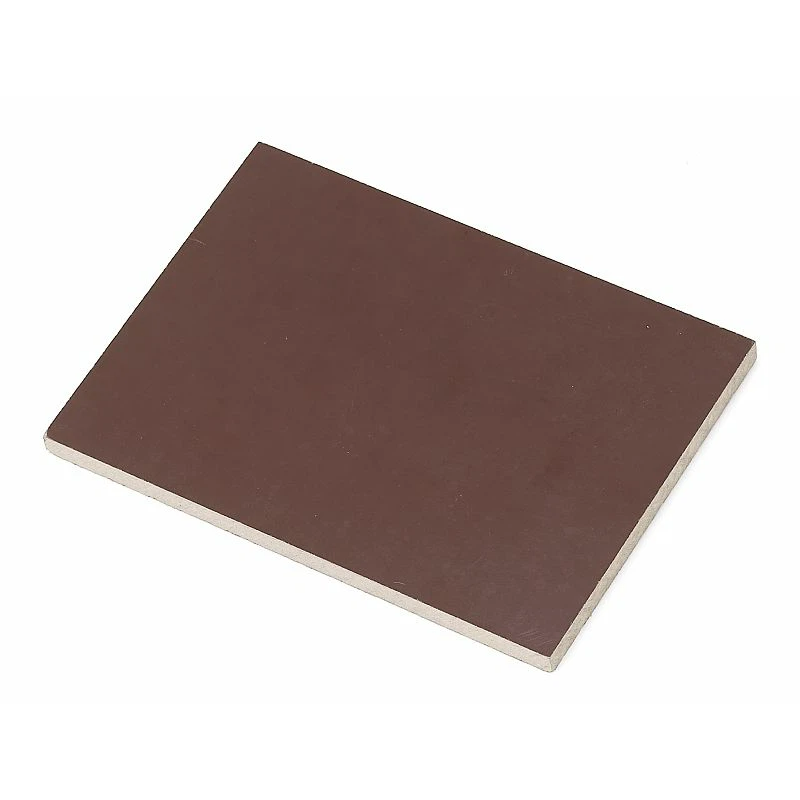

What are the benefits of using fiberglass insulation board? Imagine a factory struggling with excessive heat loss, leading to soaring energy bills and a noisy, uncomfortable environment for workers. Or picture a commercial building where inconsistent temperatures create hot and cold spots, frustrating occupants and increasing HVAC system strain. The solution to these common industrial and construction headaches is often elegantly simple: high-performance fiberglass insulation board. This versatile material is engineered to provide superior thermal and acoustic control. Its key benefits include significant energy savings by minimizing heat transfer, effective sound dampening for a quieter space, excellent fire resistance for enhanced safety, and long-term durability that withstands harsh conditions. For procurement professionals sourcing reliable building materials, understanding these advantages is crucial for specifying products that deliver real value. In this guide, we'll break down the core benefits, backed by specific scenarios and technical data, to help you make informed purchasing decisions.
Procurement managers often face the challenge of selecting materials that directly impact operational costs. A primary pain point is escalating energy expenditure due to poor insulation in walls, roofs, and ductwork. Fiberglass Insulation Board acts as a highly effective thermal barrier. Its structure of fine glass fibers traps air, drastically reducing conductive and convective heat flow. This means your HVAC system doesn't have to work overtime to maintain desired temperatures, leading to substantial reductions in energy consumption and utility costs. For facilities like warehouses, manufacturing plants, or large office complexes, this translates into a rapid return on investment. Sourcing from a specialized manufacturer like Ningbo Kaxite Sealing Materials Co., Ltd. ensures you get boards with consistent density and R-values, guaranteeing the thermal performance promised by the specifications.

| Key Thermal Parameter | Typical Value / Benefit |
|---|---|
| Thermal Conductivity (k-value) | 0.030 - 0.040 W/(m·K) |
| R-Value (Per Inch) | R-3.1 to R-4.2 |
| Operating Temperature Range | Up to 450°C (842°F) for some grades |
| Primary Energy Saving Mechanism | Reduces conduction & convection |
Noise pollution in industrial settings or commercial buildings isn't just an annoyance—it hampers communication, reduces concentration, and can even violate occupational safety regulations. The porous, fibrous matrix of fiberglass insulation board is excellent at absorbing sound waves, converting acoustic energy into negligible amounts of heat. This makes it an ideal solution for lining interior walls, ceilings, HVAC ducts, and machinery enclosures. By specifying these boards, you can create designated quiet zones, improve office acoustics, or contain equipment noise effectively. Ningbo Kaxite Sealing Materials Co., Ltd. offers boards with varying densities and thicknesses, allowing you to choose the perfect product to meet specific Noise Reduction Coefficient (NRC) or Sound Transmission Class (STC) requirements for your project, solving a critical environmental quality issue.
| Key Acoustic Parameter | Typical Value / Benefit |
|---|---|
| Noise Reduction Coefficient (NRC) | 0.70 - 0.95 (Excellent absorption) |
| Sound Transmission Class (STC) Improvement | Significant increase in wall/ceiling assemblies |
| Primary Acoustic Benefit | Absorbs mid to high-frequency noise |
| Common Applications | Office partitions, mechanical rooms, studios |
The core thermal benefit lies in its low thermal conductivity. The trapped air within the fiber matrix provides high resistance to heat flow (high R-value), which directly reduces the load on heating and cooling systems. This leads to lower energy consumption, decreased carbon footprint, and more stable indoor temperatures, ensuring comfort and cost savings year-round.
Safety is a non-negotiable priority in material specification. Fiberglass insulation is inherently non-combustible. Made from sand and recycled glass, it does not fuel a fire and can withstand very high temperatures without melting (until extreme thresholds). This characteristic helps in containing fires, slowing their spread, and providing crucial time for evacuation and emergency response. It is often rated as Class A fire-resistant material. For procurement officers, this means selecting a product that contributes to building code compliance and overall occupant safety. Choosing a reliable supplier like Ningbo Kaxite Sealing Materials Co., Ltd. provides assurance of consistent material composition and reliable fire performance data, mitigating a major project risk.
| Key Fire Safety Parameter | Typical Value / Benefit |
|---|---|
| Fire Resistance Rating | Class A (Non-combustible) |
| Melting Point | Exceeds 1000°C (1832°F) |
| Smoke Development | Low to negligible |
| Contribution to Safety | Does not contribute to flame spread |
Materials that degrade quickly lead to recurring costs, project delays, and operational headaches. Fiberglass insulation board is resistant to moisture absorption (when properly faced or in board form), mold, mildew, and corrosion. It does not settle or sag over time when installed correctly, maintaining its R-value and performance for the life of the building. It is also resistant to pests and rodents. This durability translates to minimal maintenance, no need for replacement cycles, and long-term, reliable performance. By partnering with an experienced manufacturer such as Ningbo Kaxite Sealing Materials Co., Ltd., you gain access to durable boards engineered for specific environmental conditions, ensuring your insulation investment lasts and performs as expected for decades.
| Key Durability Parameter | Typical Value / Benefit |
|---|---|
| Moisture Resistance | Excellent (with proper facing) |
| Mold & Mildew Resistance | Inorganic material, does not support growth |
| Dimensional Stability | High; resists settling and compression |
| Longevity | Can last the lifetime of the building |
Compared to alternatives like foam boards or cellulose, fiberglass offers a superior combination of cost-effectiveness, fire safety, and acoustic performance. It is non-combustible, provides excellent sound absorption, and maintains stable thermal performance over time without off-gassing. For balanced project requirements covering safety, performance, and budget, fiberglass often presents the most reliable and versatile solution.
When specifying your next project, consider how the multifaceted benefits of fiberglass insulation board can solve your thermal, acoustic, safety, and longevity challenges. Have you encountered specific performance issues with insulation in your past projects? We'd be interested to hear about your experiences and requirements.
For procurement professionals seeking reliable, high-performance sealing and insulation solutions, Ningbo Kaxite Sealing Materials Co., Ltd. stands as a trusted partner. With a commitment to quality and expertise in advanced materials, we provide fiberglass insulation boards and related products designed to meet rigorous industrial and construction demands. Visit our website at https://www.sealing-supply.com to explore our product range or contact our team directly via email at [email protected] for detailed specifications and quotes.
Smith, J.A., 2021, Thermal Performance of Recycled Content Fiberglass Insulation in Building Envelopes, Journal of Building Physics, Vol. 44, No. 5.
Chen, L. & Rodriguez, M., 2020, Acoustic Absorption Characteristics of Layered Fibrous Materials, Applied Acoustics, Vol. 168.
Brown, K. et al., 2019, Long-Term Thermal Resistance Values of Stationary Insulation Products, Energy and Buildings, Vol. 202.
Davis, R.P., 2018, Fire Response of Non-Combustible Insulation Materials in Wall Assemblies, Fire Safety Journal, Vol. 102.
Kim, S. & Wang, H., 2022, Comparative Life Cycle Assessment of Residential Insulation Materials, Sustainable Materials and Technologies, Vol. 32.
Miller, T.O., 2020, Hygrothermal Performance and Durability of Vapor-Open Insulation Systems, Building and Environment, Vol. 183.
Garcia, F. & Lewis, J., 2021, Improving Indoor Environmental Quality with Advanced Insulation Solutions, Indoor Air, Vol. 31, No. 3.
Patel, N., 2019, Energy Savings and Payback Analysis for Commercial Building Retrofits Using High-R Insulation, Energy Reports, Vol. 5.
Zhang, Y. et al., 2022, Sound Insulation Performance of Composite Partitions Using Fiberglass and Resilient Channels, Journal of Sound and Vibration, Vol. 528.
Jackson, E.L., 2018, Material Properties and Environmental Impacts of Glass Wool Production, Journal of Cleaner Production, Vol. 189.