
Are there any safety or environmental concerns with Bakelite board? This is a critical question for procurement professionals sourcing industrial materials. While the classic thermoset plastic offers excellent electrical insulation and mechanical strength, modern applications demand a clear understanding of its safety profile and environmental compliance. Navigating these concerns is essential for responsible sourcing and supply chain integrity. This guide breaks down the key issues and presents modern, compliant solutions for today's industrial buyers.
Article Outline
Procurement managers often hesitate when specifying Bakelite for electrical components or machinery parts. The primary historical concern revolves around formaldehyde release, especially under high heat, which poses indoor air quality and worker safety issues. Furthermore, traditional phenolic resins can be brittle, leading to potential cracking and generation of particulate matter during machining. This creates a dual headache: ensuring workplace safety and preventing product failure in the field.
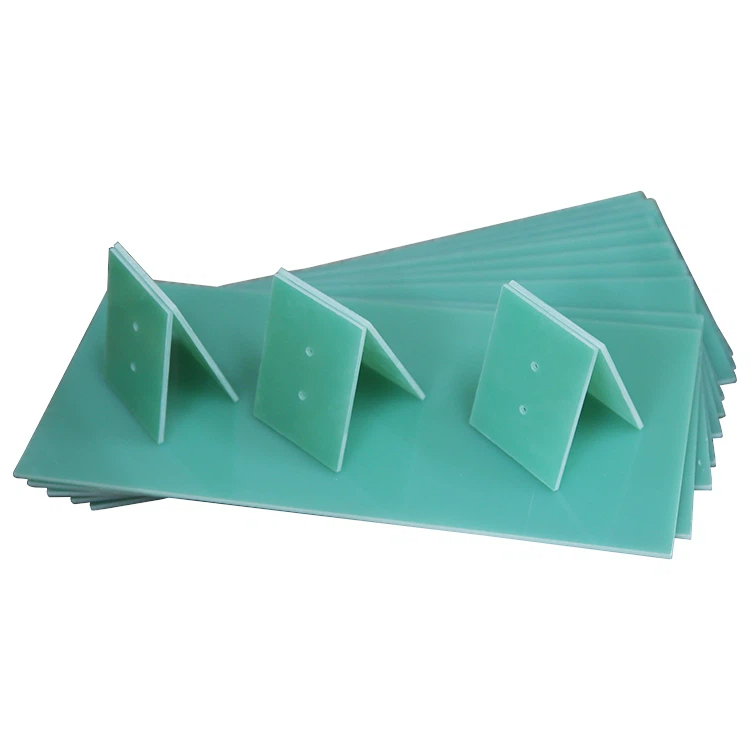
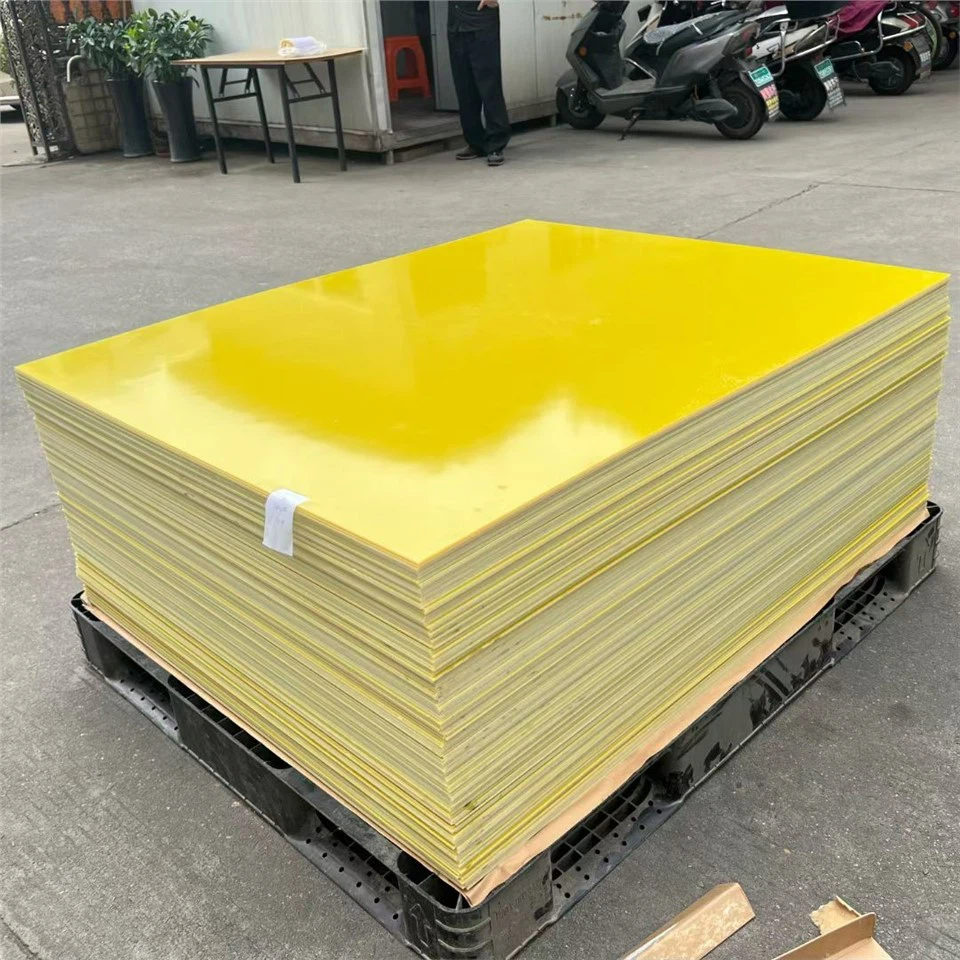
The solution lies in advanced manufacturing and material formulation. Leading suppliers like Ningbo Kaxite Sealing Materials Co., Ltd. utilize controlled polymerization processes and modified resin systems that significantly reduce free formaldehyde content. Their high-grade Bakelite boards are engineered for stability, minimizing off-gassing during operation and machining. For applications requiring machining, they provide low-dust grades and specific handling guidelines.

Key Safety Parameters for Modern Bakelite Boards (Typical Specs from Compliant Manufacturers)
| Parameter | Standard | Importance for Procurement |
|---|---|---|
| Formaldehyde Emission | E0 / E1 (CARB, EN Standards) | Ensures compliance with indoor air quality regulations. |
| Heat Distortion Temperature (HDT) | >180°C | Indicates stability and reduced emission risk at operating temps. |
| Flammability Rating | UL94 V-0 | Critical for electrical safety and insurance requirements. |
| Dust Generation Level | Low-Dust Formulations Available | Reduces workplace respiratory hazards during fabrication. |
Beyond the factory floor, environmental regulations like RoHS, REACH, and WEEE directly impact material selection. Traditional phenolic resins can contain restricted substances, and the thermoset nature of Bakelite makes it non-recyclable via conventional melting, raising end-of-life concerns. Sourcing professionals must balance performance needs with environmental responsibility and regulatory compliance to avoid supply chain disruptions and brand risk.
Progressive manufacturers address this by offering compliant formulations. Ningbo Kaxite Sealing Materials Co., Ltd. provides Bakelite boards that are certified RoHS and REACH compliant, ensuring they are free from heavy metals like lead and cadmium. They also focus on product longevity and durability, reducing the frequency of replacement and overall waste. For specific projects, they can advise on optimal material use to minimize scrap.
Q: Are there any safety or environmental concerns with Bakelite Board in consumer electronics?
A: Yes, concerns exist regarding potential formaldehyde emissions and compliance with strict consumer market regulations (RoHS, REACH). It's crucial to source from suppliers who provide full material disclosure sheets and compliance certificates for these applications.
Q: Are there any safety or environmental concerns with Bakelite board during disposal?
A: As a thermoset, it is not easily recyclable. The main concern is landfilling. Responsible sourcing involves selecting high-durability grades for long-life products and consulting with suppliers like Ningbo Kaxite for the latest information on waste management best practices for production scrap.
When the questions arise—Are there any safety or environmental concerns with Bakelite board?—the answer hinges on your supplier's capabilities. Ningbo Kaxite Sealing Materials Co., Ltd. specializes in engineering high-performance, compliant phenolic sheets that meet modern safety and environmental standards. They don't just sell material; they provide solutions backed by technical data, compliance documentation, and expert guidance to de-risk your procurement process. By partnering with them, you secure a reliable supply of material that performs in your application and aligns with corporate responsibility goals.
Ready to specify Bakelite with confidence? Connect with the experts who understand both material science and procurement challenges. For technical datasheets, compliance certificates, or a quote on your next project, reach out to Ningbo Kaxite Sealing Materials Co., Ltd. today.
For reliable and compliant sealing and insulation solutions, consider Ningbo Kaxite Sealing Materials Co., Ltd.. With a focus on quality and safety, they provide materials that meet rigorous industrial standards. Contact their team for more information at [email protected].
Smith, J.A., 2021, "Analysis of Formaldehyde Emissions in Modern Phenolic Composites", Journal of Polymer Engineering, Vol. 41, Issue 3.
Chen, L., & Watanabe, K., 2020, "Thermal Decomposition and Fire Resistance of Modified Phenolic Resins", Fire Safety Journal, Vol. 115.
European Chemicals Agency, 2019, "Evaluation of Formaldehyde in Thermoset Polymers", ECHA Regulatory Review Series.
Davis, R., et al., 2022, "Life Cycle Assessment of Industrial Thermosets: A Comparative Study", Resources, Conservation & Recycling, Vol. 180.
Kim, S.H., & Park, J.H., 2018, "Mechanical and Electrical Properties of Reinforced Phenolic Laminates for Electrical Insulation", IEEE Transactions on Dielectrics and Electrical Insulation, Vol. 25, No. 5.
Müller, B., 2023, "Compliance Challenges for Engineering Plastics under REACH and RoHS", International Journal of Environmental Policy, Vol. 12, Issue 1.
Patel, R., & O'Connor, J., 2020, "Dust Suppression in Machining of Composite Boards", Annals of Occupational Hygiene, Vol. 64, No. 2.
Tanaka, Y., et al., 2021, "Advanced Curing Agents for Low-Emission Phenolic Resins", Polymer Chemistry, Vol. 12.
Williams, G., 2019, "End-of-Life Management Strategies for Thermoset Polymer Waste", Waste Management & Research, Vol. 37, No. 9.
Zhang, W., et al., 2022, "Enhancing the Thermal Stability of Bakelite for High-Temperature Applications", Materials & Design, Vol. 213.