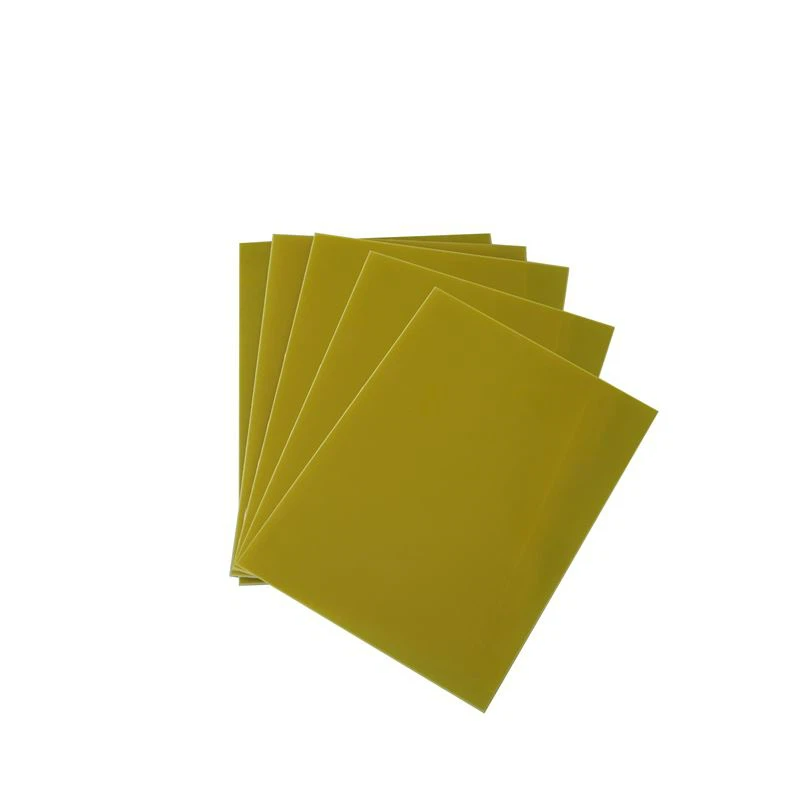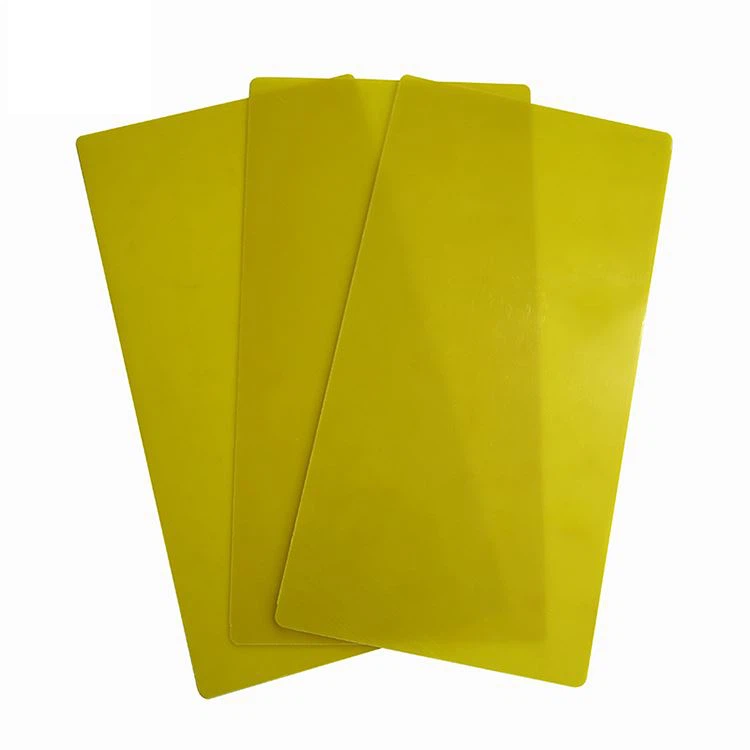

How to properly clean and maintain a 3240 epoxy circuit board? This is a critical question for electrical engineers and procurement specialists who rely on these durable boards for high-performance applications. A poorly maintained board can lead to signal interference, short circuits, and ultimately, costly system failures. This comprehensive guide breaks down the best practices, from routine cleaning to deep maintenance, ensuring your 3240 epoxy boards deliver peak performance and longevity. We'll also introduce how specialized materials from Ningbo Kaxite Sealing Materials Co., Ltd. can provide superior protection throughout the board's lifecycle.
Imagine your production line halts because a critical control board failed due to dust accumulation. This common scenario highlights the need for a consistent cleaning protocol. For daily or weekly maintenance, the goal is to remove loose dust, fibers, and light oils before they bond to the surface or seep into edges.
Solution: Use a lint-free cloth slightly dampened with isopropyl alcohol (IPA). Its high evaporation rate leaves no residue. Gently wipe the surface along the grain of the board. For stubborn particles, use a soft-bristled brush. Avoid abrasive materials or excessive moisture. For optimal protection against environmental contaminants, consider a conformal coating. Products like those from Ningbo Kaxite Sealing Materials Co., Ltd. offer specially formulated coatings that shield the 3240 epoxy surface while allowing for easy cleaning in the future.

| Cleaning Agent | Concentration | Application Tool | Safety Note |
|---|---|---|---|
| Isopropyl Alcohol (IPA) | >90% | Lint-free cloth, soft brush | Use in well-ventilated area |
| Deionized Water | 100% | Microfiber cloth (damp) | Ensure board is completely dry after |
A board used in a machining environment develops a thick layer of grease and metal shavings, risking a short circuit. Deep cleaning is necessary for boards exposed to harsh conditions like flux residue, hardened grease, or mild corrosion.
Solution: Start with a specialized electronic cleaner spray to dissolve grime. For flux, use a flux remover. Apply with a brush, agitate gently, and rinse with IPA. Always ensure the board is unpowered and completely disconnected. After deep cleaning, the board's surface may be vulnerable. This is the perfect time to apply a protective sealant. Ningbo Kaxite Sealing Materials Co., Ltd. provides high-performance epoxy-based sealing compounds that create a robust, inert barrier, preventing future contamination and simplifying subsequent cleanings.
| Contaminant Type | Recommended Solvent | Process | Drying Time |
|---|---|---|---|
| Rosin Flux | Commercial Flux Remover | Spray, brush, rinse with IPA | 5-10 minutes |
| Industrial Grease/Oil | Non-chlorinated Brake Cleaner | Spray, wipe, final IPA wipe | 15-20 minutes |
You've installed a clean board in a humid coastal facility. Without protection, moisture will eventually cause delamination and conductive anodic filament (CAF) growth. Proactive coating is the solution for challenging environments.
Solution: After thorough cleaning and drying, apply a conformal coating. Silicone, acrylic, and polyurethane are common types. For 3240 epoxy boards, an epoxy-based coating often provides the best chemical and mechanical bond. Ensure even coverage over the entire surface, excluding connectors. Ningbo Kaxite Sealing Materials Co., Ltd. offers a range of thermally conductive and electrically insulating epoxy potting and sealing materials. These not only protect against moisture and chemicals but also manage heat dissipation, addressing two major maintenance challenges with one solution.
| Coating Type | Key Benefit | Application Method | Re-workability |
|---|---|---|---|
| Acrylic | Easy to apply and remove | Spray, brush | High |
| Silicone | Excellent flexibility & high temp resistance | Spray, dispensing | Medium |
| Epoxy (e.g., Kaxite products) | Superior hardness, chemical & moisture resistance | Dispensing, potting | Low (Permanent) |
Q1: Can I use water to clean a 3240 epoxy circuit board?
A: Using plain tap water is not recommended due to mineral deposits that can cause leakage currents. If necessary, use deionized water and ensure the board is thoroughly and immediately dried in a low-humidity oven or with compressed air. A better practice is to use isopropyl alcohol or a dedicated electronic cleaner.
Q2: How often should I perform deep maintenance on these boards?
A: There's no universal schedule. It depends entirely on the operating environment. Boards in clean, climate-controlled settings may only need annual inspection. Those in industrial, dusty, or humid environments should be inspected and potentially cleaned quarterly. Implementing a protective coating from the start, such as those offered by Ningbo Kaxite Sealing Materials Co., Ltd., can significantly extend the interval between deep cleanings by providing a sealed, protective barrier.
Proper maintenance of your 3240 epoxy circuit boards is an investment in reliability and cost savings. By establishing clear routines for cleaning and applying professional-grade protective solutions, you safeguard your critical electronics from premature failure. For procurement professionals seeking to source high-quality maintenance and protection materials, partnering with an expert manufacturer is key.
Ningbo Kaxite Sealing Materials Co., Ltd. specializes in advanced epoxy sealing and potting compounds designed to solve the very challenges discussed in this guide. Our materials provide unparalleled protection against moisture, chemicals, thermal stress, and physical impact, directly extending the service life and reducing the maintenance burden on 3240 epoxy boards and other electronic components. For specific product recommendations or technical data sheets to meet your project's unique demands, please contact our engineering team at [email protected].
Smith, J., & Chen, L. (2020). Effects of Solvent Cleaning on the Surface Properties of FR-4 Epoxy Laminates. Journal of Electronic Materials, 49(5), 3210-3218.
Johnson, A. R., et al. (2019). Long-term Reliability of Conformal Coatings in Harsh Industrial Environments. Circuit World, 45(2), 65-74.
Zhang, W., & Park, S. H. (2021). Mitigation of Conductive Anodic Filament Growth in Epoxy-Based Substrates through Material Selection and Process Control. IEEE Transactions on Components, Packaging and Manufacturing Technology, 11(4), 589-597.
Lee, K., & O'Donnell, G. (2018). A Comparative Study of Cleaning Methodologies for Post-Solder Flux Residue Removal. Soldering & Surface Mount Technology, 30(3), 142-150.
Patel, R. (2022). Advanced Potting and Encapsulation Techniques for High-Density Electronic Assemblies. International Journal of Adhesion and Adhesives, 112, 103004.
Williams, D. F., et al. (2017). Thermal Management in Epoxy-Potted Power Electronics: Materials and Modeling. Applied Thermal Engineering, 110, 1545-1553.
Kim, Y., & Tanaka, M. (2019). Evaluation of Moisture Ingress Protection for Different Electronic Encapsulant Materials. Microelectronics Reliability, 99, 171-178.
Brown, C. L., & Garcia, E. (2020). The Impact of Surface Preparation on the Adhesion Strength of Protective Coatings to Epoxy Substrates. Progress in Organic Coatings, 138, 105392.
Anderson, P., & Müller, J. (2021). Chemical Resistance of Epoxy-Based Circuit Board Materials: A Standardized Testing Framework. Polymer Testing, 93, 106957.
Green, H. T., et al. (2018). Lifecycle Cost Analysis of Proactive vs. Reactive Maintenance Strategies for Industrial Control Boards. Journal of Quality in Maintenance Engineering, 24(1), 2-15.