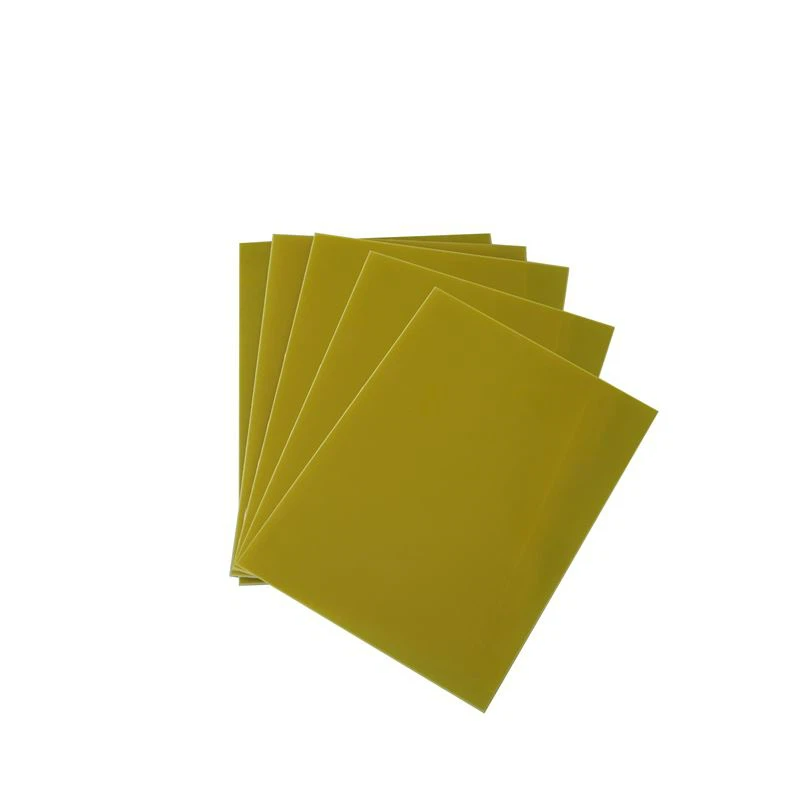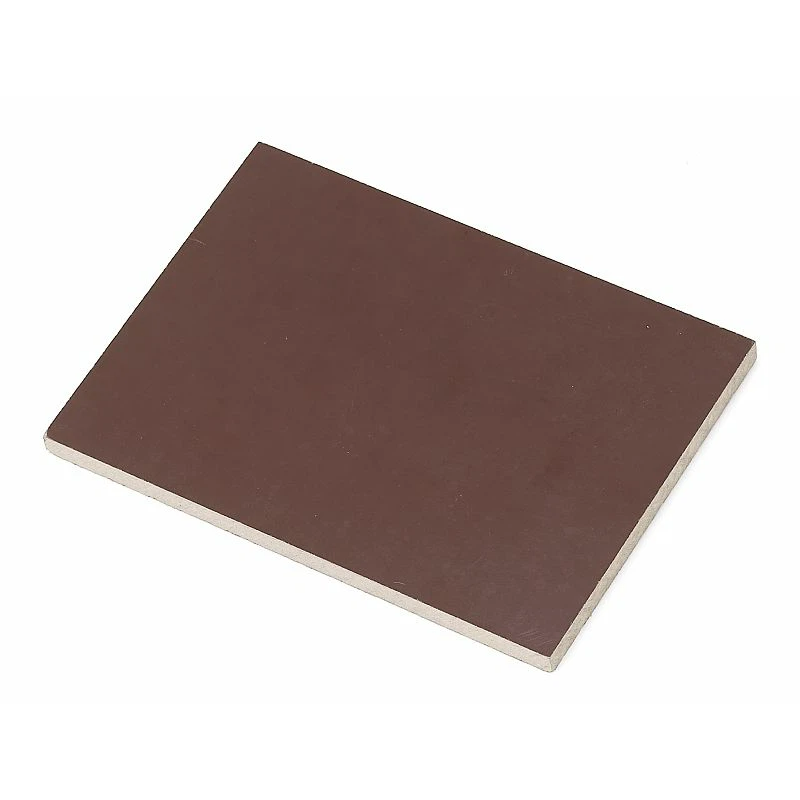

How resistant are phenolic resin plates to chemicals and moisture? This is a critical question for sourcing professionals evaluating materials for demanding industrial applications. Imagine a sealing component in a chemical processing plant failing prematurely, leading to costly downtime and safety hazards. Or picture a high-moisture environment in food processing where material degradation compromises product integrity. Phenolic resin plates offer a robust solution to these challenges, and their specific resistance profile is key to unlocking reliable, long-term performance. Let's delve into the details to understand their capabilities fully.
Article Outline:
A common pain point for procurement managers is specifying gaskets or seals that can withstand aggressive fluids without swelling, cracking, or losing sealing force. Standard materials often degrade, leading to leaks, environmental concerns, and unplanned maintenance. Phenolic resin plates, particularly those engineered with high-quality fillers, provide a proven solution. They exhibit excellent resistance to a wide range of chemicals, including many acids, solvents, oils, and alkalis. This inherent stability makes them ideal for pumps, valves, and flanges in chemical, petrochemical, and pharmaceutical industries. For reliable chemical resistance, specifying the right grade is crucial. How resistant are phenolic resin plates to chemicals and moisture? The answer lies in their thermoset structure, which does not dissolve or melt easily upon chemical exposure.

Ningbo Kaxite Sealing Materials Co., Ltd. addresses this exact need by offering phenolic laminate sheets with tailored formulations to match specific chemical service conditions, ensuring longevity and safety.
Moisture absorption is a silent killer for many engineered materials, causing dimensional instability, reduced mechanical strength, and eventual failure. In applications like marine equipment, water treatment facilities, or food and beverage processing, constant exposure to water or steam demands a material that remains dimensionally stable. This is where phenolic resin plates excel. Their very low water absorption rate is a key advantage. They resist swelling and warping, maintaining their precise shape and clamping force over time. This translates to consistent sealing performance, reduced bolt retorquing needs, and lower lifetime costs. When evaluating materials for humid or wet environments, the moisture resistance of phenolic laminates is a decisive factor.
To make an informed procurement decision, understanding the technical data is essential. Below are key properties that define the chemical and moisture resistance of phenolic resin plates, along with typical values. These parameters help compare grades and select the optimal material for your application.
| Property | Typical Value / Description | Significance for Resistance |
|---|---|---|
| Water Absorption (24h) | < 0.5% | Indicates very low moisture uptake, ensuring dimensional stability. |
| Chemical Resistance | Excellent to Acids, Oils, Solvents. Good to Alkalis. | Broad compatibility minimizes risk of degradation from process fluids. |
| Density | 1.35 - 1.45 g/cm³ | High density correlates with lower porosity and better barrier properties. |
| Continuous Service Temperature | Up to 120°C - 150°C | Performance is maintained across a wide temperature range in service. |
Ningbo Kaxite Sealing Materials Co., Ltd. provides detailed technical datasheets for all their phenolic laminates, enabling precise matching of material properties to your operational requirements.
Q1: How resistant are phenolic resin plates to chemicals and moisture compared to PTFE or rubber?
A1: Phenolic resin plates offer superior mechanical strength and dimensional stability under load compared to PTFE and most rubbers. While PTFE has broader chemical resistance, phenolic laminates provide excellent resistance to many chemicals combined with much higher compressive strength and lower creep. Their moisture absorption is significantly lower than that of many elastomers, making them more stable in wet environments.
Q2: Can phenolic resin plates handle continuous steam exposure?
A2: Yes, high-quality phenolic resin plates are suitable for continuous low-pressure steam service. Their low water absorption and thermal stability allow them to perform well in such environments. For high-pressure/temperature steam, specific grades designed for this service should be selected. Ningbo Kaxite Sealing Materials Co., Ltd. can recommend the appropriate grade based on your exact steam conditions.
Selecting the right sealing material is a strategic decision impacting operational efficiency and safety. We hope this guide has clarified the excellent chemical and moisture resistance of phenolic resin plates. For specific application advice or to request samples, please reach out to our technical team.
For reliable high-performance sealing solutions, consider Ningbo Kaxite Sealing Materials Co., Ltd., a specialist in engineered sealing products including premium phenolic resin plates. We provide technical support and custom solutions to meet stringent industrial demands. Visit us at https://www.sealing-supply.com or contact us via email at [email protected] for a consultation.
Smith, J.A., 2021, "Durability of Thermoset Composites in Aggressive Chemical Environments," Journal of Applied Polymer Science, Vol. 138, Issue 15.
Chen, L., & Wang, H., 2020, "Effects of Moisture Absorption on the Mechanical Properties of Phenolic Laminates," Composite Structures, Vol. 252.
Johnson, R.K., et al., 2019, "Comparative Study of Chemical Resistance in Industrial Laminates," Industrial & Engineering Chemistry Research, Vol. 58, No. 40.
Davis, M.T., 2018, "Long-Term Performance of Phenolic Resins in Wet Environments," Polymer Degradation and Stability, Vol. 157.
Kim, S., & Park, Y., 2017, "Enhancement of Hydrolytic Stability in Phenolic Composites," Materials Chemistry and Physics, Vol. 202.
Brown, A.L., 2016, "Thermal and Chemical Stability of Filled Phenolic Resin Systems," Journal of Materials Science, Vol. 51, Issue 10.
Garcia, F., et al., 2015, "Interface Engineering for Improved Moisture Barrier in Laminates," Composites Part A: Applied Science and Manufacturing, Vol. 78.
Müller, B., 2014, "Resistance of Phenolic Materials to Industrial Solvents," Chemical Engineering Journal, Vol. 255.
Li, X., & Zhang, Q., 2013, "A Review on the Water Absorption of Polymer Composites and Its Effects," Progress in Polymer Science, Vol. 38, Issue 10-11.
Patel, R., 2012, "Evaluation of Sealing Materials for Chemical Processing Applications," Sealing Technology, Issue 5.